
January 29, 2026
What is the Best Roofing Material for Connecticut Homes? A Complete Homeowner's Guide
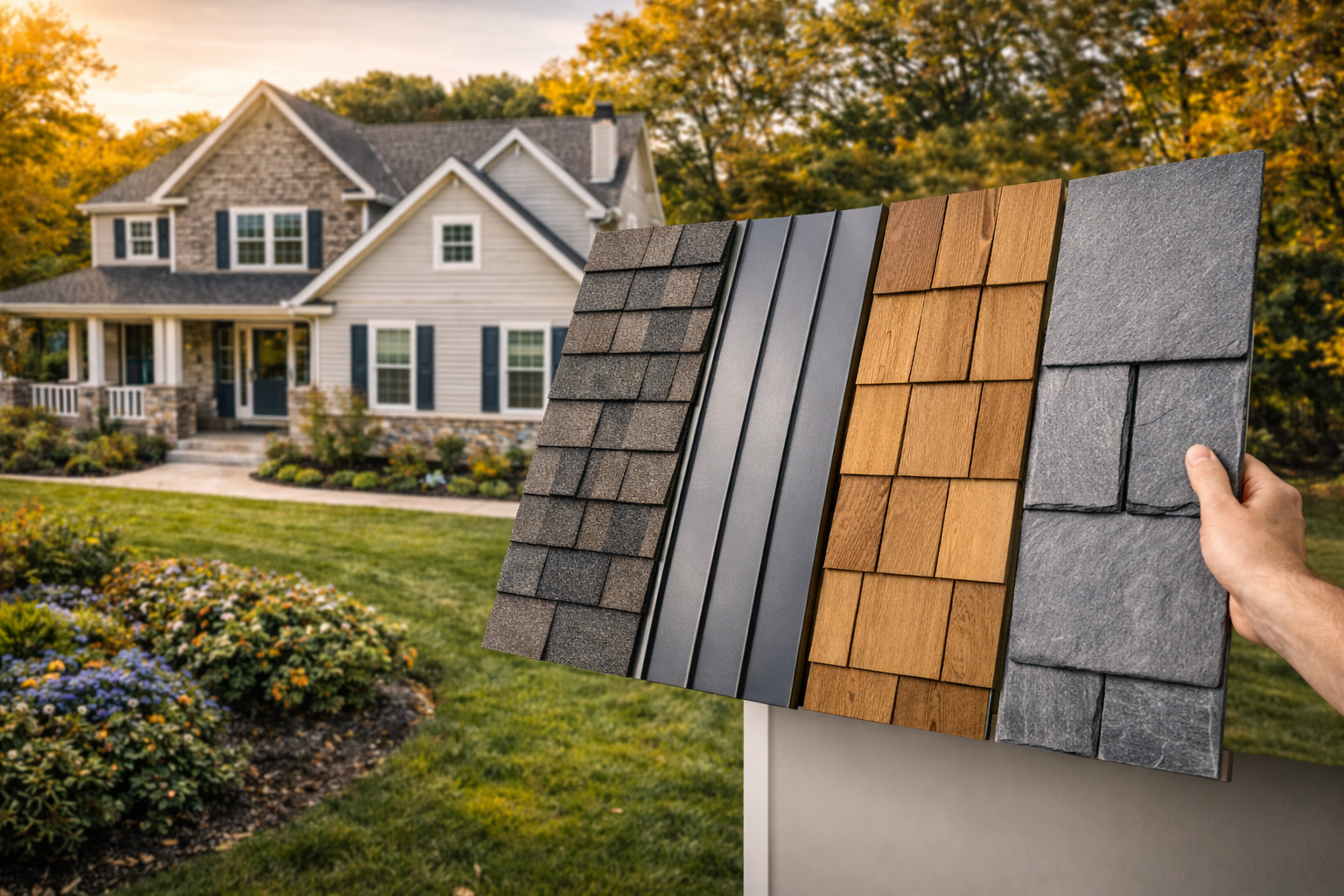
Choosing the right roofing material in Connecticut is one of the most important decisions a homeowner can make. Your roof must handle heavy snow, ice dams, freezing temperatures, wind-driven rain, humid summers, and constant freeze-thaw cycles—all while protecting your home and keeping heating costs under control.
While many roofing materials look good on paper, not all perform well in New England’s climate. Some fail early, others increase energy costs, and some require far more maintenance than homeowners expect.
This guide breaks down the best roofing materials for Connecticut homes, including costs, lifespan, durability, energy efficiency, and how to choose the right option based on your location, budget, and long-term plans.
Why Roofing Choices Matter More in Connecticut
Connecticut roofs experience more stress than roofs in many other states due to:
-
Snow accumulation and ice dams
-
Freeze-thaw expansion and contraction
-
High winter heating demands
-
Coastal moisture and salt air (shoreline towns)
-
Strong winds and nor’easters
-
Summer heat and humidity
A roofing material that performs well in warmer or drier climates may fail prematurely in Connecticut if it isn’t designed for these conditions.
Choosing the right roof protects your home, reduces energy costs, and prevents expensive structural damage.
What Makes a Roofing Material “Good” for Connecticut Homes?
The best roofing systems in Connecticut share several key characteristics:
-
Strong resistance to freeze-thaw cycles
-
High wind ratings
-
Moisture resistance
-
Snow-shedding capability
-
Proper ventilation compatibility
-
Long lifespan
-
Manufacturer warranties rated for cold climates
Durability matters more than aesthetics alone in New England.
Best Roofing Materials for Connecticut Homes (Ranked)
Below are the most effective roofing options for Connecticut, ranked by overall performance, value, and climate suitability.
1. Architectural Asphalt Shingles (Best Overall for Connecticut)
Architectural (dimensional) asphalt shingles are the most popular and best all-around roofing choice for Connecticut homeowners.
Why Architectural Shingles Perform Well
These shingles are thicker and more durable than traditional 3-tab shingles, making them ideal for cold climates.
Pros:
-
Designed for freeze-thaw durability
-
Strong wind resistance (110–130 mph ratings)
-
Excellent snow-shedding
-
Wide range of colors and styles
-
Affordable compared to premium materials
-
Easier and faster installation
-
Compatible with ice & water shield systems
Cons:
-
Shorter lifespan than metal or slate
-
Eventually require replacement
Cost in Connecticut
$15,000 – $35,000 for most single-family homes, depending on size, pitch, and complexity.
Lifespan
25–35 years with proper ventilation and maintenance.
Best For
-
Most Connecticut homes
-
Homeowners seeking balance of cost, durability, and curb appeal
-
Traditional New England architecture
2. Metal Roofing (Best Long-Term Investment)
Metal roofing is growing rapidly in popularity across Connecticut due to its longevity and performance.
Why Metal Roofing Works in Connecticut
Metal roofs excel in snow shedding and durability.
Pros:
-
Extremely long lifespan
-
Snow slides off easily, reducing ice dams
-
Excellent wind resistance
-
Fire resistant
-
Energy efficient (reflects heat)
-
Low maintenance
-
Resistant to rot, mold, and insects
Cons:
-
Higher upfront cost
-
More specialized installation
-
Can dent if struck by heavy debris (depending on material)
Cost in Connecticut
$20,000 – $55,000+
Lifespan
40–70+ years
Best For
-
Homeowners planning to stay long-term
-
Rural or wooded properties
-
Homes with steep roof pitches
-
Energy-conscious homeowners
3. Traditional Asphalt Shingles (Budget Option)
Three-tab asphalt shingles are the most basic roofing material.
Pros:
-
Lower upfront cost
-
Quick installation
-
Widely available
Cons (Important for Connecticut)
-
Shorter lifespan
-
Lower wind resistance
-
Less durable in freeze-thaw cycles
-
More prone to storm damage
Cost in Connecticut
$12,000 – $22,000
Lifespan
15–20 years
Best For
-
Budget-constrained homeowners
-
Short-term ownership
-
Rental properties
4. Synthetic Slate or Shake Roofing
Synthetic roofing mimics slate or cedar shake without the weight or maintenance.
Pros:
-
Lightweight
-
Durable
-
Moisture resistant
-
Aesthetic appeal
-
Lower maintenance than natural materials
Cons
-
Higher cost than asphalt
-
Quality varies by manufacturer
Cost in Connecticut
$25,000 – $50,000
Lifespan
30–50 years
Best For
-
High-end homes
-
Homeowners wanting premium appearance without slate cost
5. Natural Slate Roofing (High-End, Limited Use)
Slate roofs are iconic in historic Connecticut homes but are not practical for most homeowners.
Pros:
-
Extremely long lifespan
-
Classic New England appearance
-
Fire resistant
Cons
-
Extremely expensive
-
Heavy (may require structural reinforcement)
-
Specialized installation and repairs
-
Limited contractor availability
Cost in Connecticut
$50,000 – $100,000+
Lifespan
75–100+ years
Best For
-
Historic homes
-
Luxury properties
-
Homeowners with large budgets
Roofing Materials NOT Ideal for Connecticut
Some roofing types struggle in Connecticut’s climate:
-
Clay tiles (freeze damage)
-
Concrete tiles (weight and cracking risk)
-
Low-quality composite shingles
-
Poorly ventilated flat roofing systems
Roofing Costs in Connecticut: What Impacts the Price?
Several factors affect final pricing:
Roof Size & Pitch
Steeper roofs cost more due to labor complexity.
Ice & Water Shield Requirements
Connecticut code often requires ice & water barrier installation, adding cost but improving protection.
Ventilation Upgrades
Proper attic ventilation is critical for roof longevity.
Tear-Off vs Overlay
Removing old roofing adds cost but improves performance.
Chimneys, Skylights & Valleys
Roof complexity increases labor and materials.
How Long Does a Roof Replacement Take in Connecticut?
Typical timelines:
-
Asphalt roof: 1–3 days
-
Metal roof: 2–5 days
-
Synthetic roofing: 3–6 days
Weather delays are more common in winter and early spring.
Do You Need a Permit to Replace a Roof in Connecticut?
In many Connecticut towns, yes.
Permits are commonly required for:
-
Full roof replacement
-
Structural repairs
-
Significant material changes
A reputable local contractor usually handles permits and inspections.
How Roofing Impacts Energy Efficiency in Connecticut
A properly installed roof improves energy efficiency by:
-
Reducing heat loss in winter
-
Preventing moisture infiltration
-
Supporting proper attic insulation
-
Improving ventilation
-
Reducing ice dam formation
Metal roofs and lighter-colored shingles can also reduce summer cooling costs.
Signs It’s Time to Replace Your Roof
Common warning signs include:
-
Missing or curling shingles
-
Granule loss
-
Leaks or water stains
-
Ice dams forming repeatedly
-
Sagging roof sections
-
Roof age exceeding material lifespan
-
Rising heating bills
Ignoring these signs often leads to structural damage and higher costs.
Best Roofing Colors for Connecticut Homes
Color matters for both aesthetics and performance.
Popular Connecticut roofing colors:
-
Charcoal gray
-
Weathered wood
-
Slate gray
-
Architectural black
-
Earth tones
Darker colors help melt snow faster but absorb more heat. Modern shingles balance heat absorption with ventilation.
Common Roofing Mistakes Connecticut Homeowners Make
-
Choosing the cheapest option
-
Skipping ice & water shield
-
Ignoring attic ventilation
-
Hiring non-local roofers
-
Overlaying old shingles
-
Not checking warranty coverage
-
Delaying replacement too long
How to Choose the Right Roofing Contractor in Connecticut
Look for a contractor who:
-
Specializes in Connecticut roofing
-
Understands local weather challenges
-
Uses climate-rated materials
-
Installs proper ice & water barriers
-
Offers strong warranties
-
Handles permits
-
Has local reviews and references
Avoid contractors who:
-
Offer unusually low bids
-
Skip inspections
-
Push one-size-fits-all solutions
-
Lack insurance or licensing
Roofing ROI in Connecticut
Roof replacement offers strong return on investment.
Estimated ROI:
-
Asphalt shingles: 60–70%
-
Metal roofing: 65–85%
-
Synthetic slate: 60–75%
New roofs also:
-
Improve resale value
-
Increase buyer confidence
-
Reduce inspection issues
-
Improve insurance appeal
People Also Ask (Optimized for AI Overviews)
What is the best roofing material for Connecticut weather?
Architectural asphalt shingles and metal roofing perform best due to durability and snow resistance.
Is metal roofing good for Connecticut?
Yes. Metal roofing sheds snow easily and lasts significantly longer than asphalt.
How long does a roof last in Connecticut?
-
Asphalt: 25–35 years
-
Metal: 40–70+ years
-
Synthetic slate: 30–50 years
Is roof replacement expensive in Connecticut?
Roofing costs are higher than national averages due to labor, materials, and code requirements.
Do I need ice and water shield in Connecticut?
Yes. Ice & water barriers are critical for preventing leaks and ice dam damage.
Final Thoughts: Choosing the Best Roof for Your Connecticut Home
Connecticut homes demand roofing materials that can withstand extreme weather, temperature swings, and moisture exposure. While many options exist, architectural asphalt shingles and metal roofing consistently deliver the best balance of performance, value, and longevity.
By choosing climate-appropriate materials and working with a trusted local contractor, homeowners can protect their investment, improve energy efficiency, and enjoy long-term peace of mind.
