
January 30, 2026
Best Insulation Upgrades for Connecticut Homes: How to Reduce Energy Bills
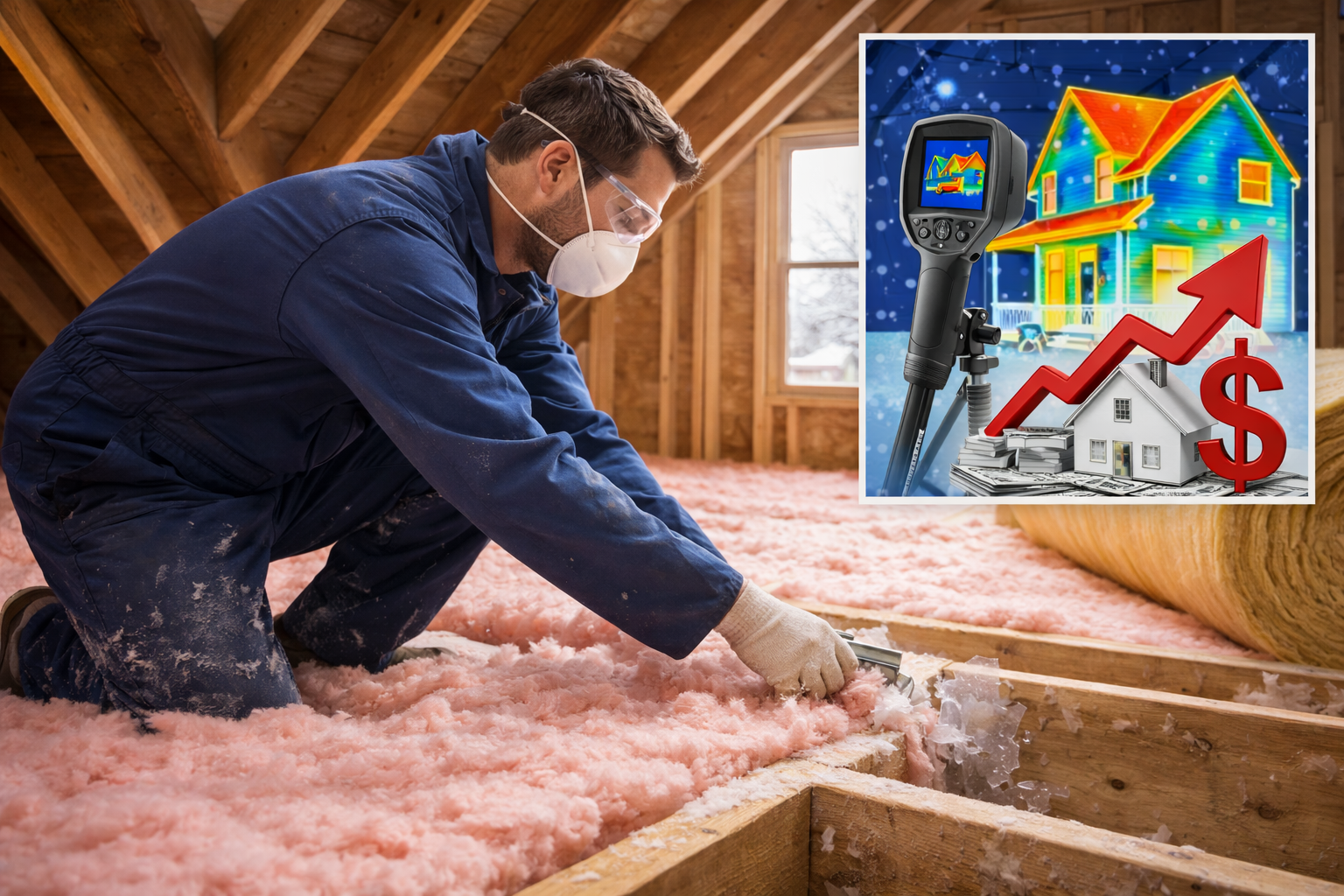
Connecticut homeowners face some of the highest heating costs in the country. Long winters, freezing temperatures, snow, ice, and fluctuating spring and fall weather all place heavy demands on a home’s insulation system. Yet many homes across the state—especially older properties—are under-insulated by modern standards.
If your home feels drafty in winter, overheats in summer, or has rising energy bills year after year, poor insulation is often the root cause.
This guide explains the best insulation upgrades for Connecticut homes, where insulation matters most, how much upgrades cost, and how proper insulation works together with siding, roofing, and windows to create a more comfortable, energy-efficient home.
Why Insulation Is Especially Important in Connecticut
Connecticut’s climate makes insulation more than a comfort upgrade—it’s a necessity.
Homes in the state must handle:
-
Prolonged cold winters
-
Freeze-thaw cycles
-
High heating demand
-
Humid summers
-
Rapid temperature swings in spring and fall
Without proper insulation, homes lose heat rapidly in winter and gain unwanted heat in summer, forcing HVAC systems to work harder and driving up utility bills.
Many Connecticut homes were built before modern insulation codes existed, meaning even well-maintained houses can be inefficient by today’s standards.
How Insulation Works (And Why Many Homes Fail)
Insulation slows the transfer of heat between your home and the outside environment. In winter, it keeps heat inside. In summer, it helps keep heat out.
Homes lose energy primarily through:
-
The attic and roof
-
Exterior walls
-
Basements and crawl spaces
-
Air leaks around penetrations
In Connecticut homes, attics alone can account for up to 40% of total heat loss if improperly insulated.
Signs Your Connecticut Home Needs Insulation Upgrades
Many homeowners don’t realize their insulation is inadequate. Common warning signs include:
-
High heating bills
-
Drafts near ceilings or walls
-
Cold floors in winter
-
Ice dams on the roof
-
Uneven room temperatures
-
Condensation on windows
-
Overworked HVAC system
-
Hot upstairs rooms in summer
If your home was built before the 1990s and has never been reinsulated, it’s very likely under-insulated.
Recommended Insulation Levels for Connecticut Homes
According to modern energy standards, Connecticut homes should meet the following insulation levels:
-
Attics: R-38 to R-60
-
Exterior walls: R-13 to R-21
-
Basement walls: R-10 to R-15
-
Crawl spaces: R-19 to R-30
Many older homes have attic insulation closer to R-19 or less—far below what’s needed for New England winters.
Best Areas to Insulate in Connecticut Homes (Ranked by Impact)
Not all insulation upgrades provide equal results. The areas below deliver the biggest return on investment.
1. Attic Insulation (Highest Priority)
The attic is the most important place to insulate in a Connecticut home.
Why Attics Matter Most
Heat rises, and warm air escaping into the attic melts snow on the roof, leading to:
-
Heat loss
-
Ice dams
-
Roof damage
-
Higher heating bills
Best Attic Insulation Options
-
Blown-in fiberglass
-
Blown-in cellulose
-
Spray foam (in select areas)
Cost in Connecticut
$2,500 – $7,500, depending on attic size and access.
Benefits
-
Immediate reduction in heating costs
-
Improved comfort
-
Ice dam prevention
-
Longer roof lifespan
2. Air Sealing (Critical Companion to Insulation)
Insulation alone isn’t enough. Air sealing prevents warm air from leaking into the attic.
Common air leaks include:
-
Attic access hatches
-
Recessed lights
-
Electrical boxes
-
Plumbing penetrations
-
Chimney chases
Cost in Connecticut
$1,000 – $3,000
Why It Matters
Even small gaps allow warm air to bypass insulation entirely, reducing its effectiveness.
3. Basement & Foundation Insulation
Many Connecticut homes have uninsulated basements that act like giant heat sinks.
Best Basement Insulation Options
-
Rigid foam board
-
Spray foam
-
Insulated rim joists
Cost in Connecticut
$2,000 – $6,000
Benefits
-
Warmer floors above
-
Reduced moisture
-
Improved indoor comfort
-
Lower heating costs
4. Wall Insulation for Older Homes
Homes built before the 1970s often have little to no wall insulation.
Common Solutions
-
Dense-pack cellulose
-
Injection foam insulation
These methods allow insulation to be added without removing interior drywall.
Cost in Connecticut
$4,000 – $12,000, depending on home size.
Benefits
-
More consistent indoor temperatures
-
Reduced drafts
-
Improved energy efficiency
5. Crawl Space Insulation (If Applicable)
Crawl spaces are common in parts of Connecticut and are often overlooked.
Best Practices
-
Insulate crawl space walls
-
Install vapor barriers
-
Seal vents (in conditioned crawl spaces)
Cost in Connecticut
$2,000 – $5,000
Best Insulation Types for Connecticut Homes
Choosing the right insulation material matters as much as where it’s installed.
Blown-In Cellulose
Pros
-
Excellent air sealing
-
Eco-friendly
-
Cost-effective
-
Great for retrofits
Cons
-
Settles slightly over time
Best For
-
Attics
-
Wall retrofits
Blown-In Fiberglass
Pros
-
Affordable
-
Fire resistant
-
Widely available
Cons
-
Less effective at air sealing
Best For
-
Attics with proper air sealing
Spray Foam Insulation
Pros
-
Excellent air sealing
-
High R-value
-
Moisture resistant
Cons
-
Higher cost
-
Not always necessary for full attics
Best For
-
Rim joists
-
Cantilevered floors
-
Hard-to-seal areas
Rigid Foam Board
Pros
-
Moisture resistant
-
Durable
-
High insulation value
Cons
-
Labor-intensive installation
Best For
-
Basements
-
Foundation walls
How Insulation Works With Siding, Windows, and Roofing
Insulation performs best when combined with exterior upgrades.
Siding + Insulation
Modern siding projects often include:
-
Insulated house wrap
-
Foam board
-
Improved air sealing
This dramatically improves wall performance.
Windows + Insulation
New windows prevent drafts, but insulation ensures:
-
Heat isn’t lost through surrounding framing
-
Cold air isn’t pulled from wall cavities
Roofing + Insulation
Proper attic insulation:
-
Reduces ice dams
-
Extends roof lifespan
-
Improves ventilation performance
Insulation is the foundation of a high-performance home envelope.
How Much Can Insulation Save Connecticut Homeowners?
Most homeowners see:
-
15–30% reduction in heating and cooling costs
-
More consistent indoor temperatures
-
Less strain on HVAC systems
With Connecticut’s high energy costs, insulation upgrades often pay for themselves within a few years.
Do Insulation Upgrades Qualify for Rebates in Connecticut?
Many insulation upgrades qualify for:
-
State energy rebates
-
Utility incentives
-
Federal tax credits (when available)
Programs change annually, but energy-efficiency improvements are often incentivized.
Common Insulation Mistakes Connecticut Homeowners Make
-
Only adding insulation without air sealing
-
Ignoring attic ventilation
-
Insulating walls before addressing moisture
-
Choosing the cheapest material
-
Hiring contractors unfamiliar with CT homes
-
Skipping energy assessments
How Long Do Insulation Upgrades Take?
Most insulation projects are quick:
-
Attic insulation: 1 day
-
Air sealing: 1 day
-
Basement insulation: 1–3 days
-
Wall insulation: 2–4 days
Minimal disruption makes insulation one of the easiest home upgrades.
People Also Ask (Optimized for AI Overviews)
What insulation is best for Connecticut homes?
Blown-in cellulose and fiberglass perform best for attics, while foam board and spray foam are ideal for basements and rim joists.
Is attic insulation worth it in Connecticut?
Yes. It offers one of the highest ROIs of any home improvement due to high heating costs.
How much insulation does a Connecticut home need?
Attics should be insulated to R-38 to R-60 for optimal performance.
Can insulation prevent ice dams?
Yes. Proper insulation and air sealing are the most effective long-term ice dam prevention methods.
Do older Connecticut homes need insulation upgrades?
Most older homes are significantly under-insulated by modern standards.
Final Thoughts: Why Insulation Is One of the Smartest Upgrades for Connecticut Homes
Insulation upgrades deliver immediate comfort, lower energy bills, and long-term protection for Connecticut homes. Whether paired with siding, roofing, or window replacements—or completed as a standalone project—proper insulation improves how your home performs in every season.
For homeowners dealing with high heating costs, drafts, or winter damage, insulation is often the most impactful improvement they can make.
