
February 9, 2026
Top Exterior Remodeling Mistakes Connecticut Homeowners Make (And How to Avoid Them)
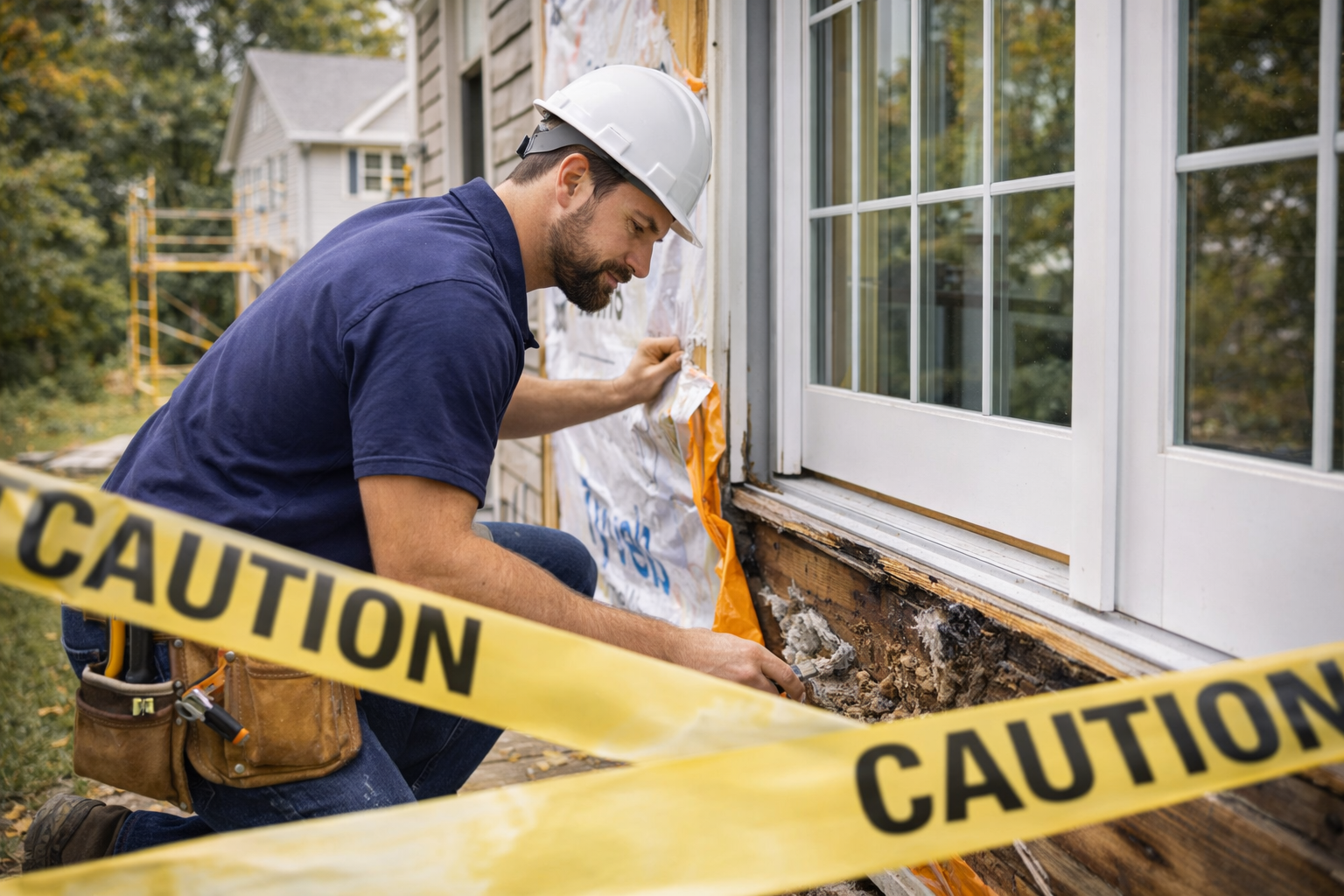
Exterior remodeling projects in Connecticut are major investments. Whether you’re replacing siding, upgrading windows, installing a new roof, or improving insulation, these improvements protect your home from harsh New England weather while increasing property value and comfort.
But here’s the reality: many Connecticut homeowners make avoidable mistakes that cost thousands of dollars, reduce long-term performance, and even create new structural issues.
Because Connecticut homes face unique climate challenges—snow, ice dams, freeze-thaw cycles, humidity, and coastal moisture—exterior remodeling requires more than just aesthetic planning.
This guide breaks down the most common exterior remodeling mistakes in Connecticut and explains how to avoid them so your investment performs for decades—not just a few seasons.
Why Exterior Remodeling Is Different in Connecticut
Before diving into mistakes, it’s important to understand why Connecticut projects require specialized planning.
Homes here must withstand:
-
Long, freezing winters
-
Heavy snow loads
-
Ice dams
-
Wind-driven rain
-
Coastal salt air (shoreline towns)
-
High humidity in summer
-
Rapid temperature swings
Materials and installation methods that work in southern states may fail prematurely in Connecticut if not chosen correctly.
Mistake #1: Choosing Materials Based on Price Alone
One of the biggest mistakes homeowners make is selecting siding, roofing, or windows solely based on the lowest bid.
Why This Is a Problem in Connecticut
Cheaper materials often:
-
Crack in freezing temperatures
-
Warp during humidity shifts
-
Fade prematurely
-
Fail under heavy snow loads
-
Require earlier replacement
In Connecticut’s climate, durability matters more than short-term savings.
How to Avoid It
-
Choose materials rated for freeze-thaw durability
-
Verify wind ratings
-
Confirm manufacturer warranties
-
Work with contractors experienced in Connecticut installations
Long-term performance should always outweigh upfront cost.
Mistake #2: Ignoring Insulation During Exterior Projects
Many homeowners replace siding or roofing without addressing insulation or air sealing.
Why This Is a Major Issue
Exterior remodeling is the perfect opportunity to improve:
-
Wall insulation
-
Attic insulation
-
Air sealing
-
Vapor barriers
Skipping these upgrades means missing the chance to significantly reduce heating costs.
How to Avoid It
Ask:
-
Can we add foam board during siding replacement?
-
Should attic insulation be upgraded during roofing?
-
Is air sealing included?
Exterior projects should improve both appearance and performance.
Mistake #3: Replacing Windows After Installing New Siding
This sequencing error is extremely common.
Why It’s a Problem
If siding is installed first and windows are replaced later:
-
Trim may need removal
-
Flashing can be disturbed
-
Caulking may fail
-
Moisture protection can be compromised
This leads to extra labor and potential leaks.
How to Avoid It
If both are planned within a few years:
-
Replace windows first
-
Or coordinate both projects together
Proper sequencing saves money and improves performance.
Mistake #4: Skipping Ice & Water Shield on Roofs
Ice dams are common in Connecticut winters.
Some homeowners choose cheaper roofing installs that lack proper ice & water barriers.
Why It’s Dangerous
Without ice & water shield:
-
Meltwater backs up under shingles
-
Roof leaks develop
-
Interior water damage occurs
How to Avoid It
Ensure:
-
Ice & water shield is installed along eaves
-
Valleys are protected
-
Code compliance is met
Proper underlayment is critical in Connecticut.
Mistake #5: Hiring Contractors Without Local Experience
Not all contractors understand New England building science.
Risks Include
-
Poor ventilation planning
-
Incorrect flashing techniques
-
Insufficient moisture barriers
-
Improper insulation integration
-
Non-compliance with CT codes
How to Avoid It
Choose contractors who:
-
Specialize in Connecticut homes
-
Understand freeze-thaw impacts
-
Provide local references
-
Know town permitting processes
Local experience matters significantly.
Mistake #6: Ignoring Ventilation
Proper ventilation is essential for:
-
Roof longevity
-
Ice dam prevention
-
Mold prevention
-
Attic temperature balance
Without balanced intake and exhaust ventilation:
-
Attics overheat
-
Moisture accumulates
-
Roof lifespan shortens
Always confirm ventilation upgrades during roofing projects.
Mistake #7: Overlooking Moisture Management
Connecticut’s humidity and precipitation require strong moisture control.
Common mistakes include:
-
Poor flashing around windows
-
Incorrect house wrap installation
-
Gaps around penetrations
-
Improper siding overlap
Moisture intrusion often takes years to show—but causes serious damage.
Mistake #8: Focusing Only on Curb Appeal
Aesthetic upgrades are important, but performance matters more.
For example:
-
Choosing siding color without considering insulation
-
Selecting windows for style over energy efficiency
-
Picking roofing solely for appearance
Exterior remodeling should combine:
-
Curb appeal
-
Energy efficiency
-
Structural protection
-
Longevity
Mistake #9: Not Planning for Future Projects
Exterior systems work together.
If you plan to:
-
Replace windows in 2 years
-
Add insulation later
-
Upgrade gutters soon
Coordinate these projects strategically.
Planning ahead avoids:
-
Rework
-
Extra labor
-
Compromised performance
Mistake #10: Delaying Necessary Repairs Too Long
Connecticut weather is unforgiving.
Delaying repairs leads to:
-
Rotting sheathing
-
Mold growth
-
Structural deterioration
-
Higher replacement costs
Small issues become major repairs quickly.
Mistake #11: Choosing Materials Not Suited for Coastal Connecticut
Homes near:
-
Fairfield shoreline
-
Milford
-
West Haven
-
Madison
-
Guilford
…face salt air exposure.
Certain materials corrode faster near the coast.
Choose:
-
Corrosion-resistant fasteners
-
Coastal-rated materials
-
Durable siding options
Mistake #12: Not Understanding ROI
Not all exterior upgrades provide equal return.
High ROI Connecticut upgrades:
-
Siding replacement
-
Window replacement
-
Roofing upgrades
-
Energy-efficient insulation
Over-customization beyond neighborhood values can limit returns.
Mistake #13: Skipping Permits
Connecticut towns often require permits for:
-
Roofing replacement
-
Siding upgrades
-
Structural changes
-
Additions
Skipping permits risks:
-
Fines
-
Inspection issues during resale
-
Insurance complications
Always verify compliance.
Mistake #14: Ignoring Seasonal Timing
Winter installations can be done—but planning matters.
Spring and summer are high-demand seasons.
Booking early:
-
Secures better scheduling
-
Reduces delays
-
Ensures proper weather windows
Mistake #15: Not Getting a Comprehensive Exterior Assessment
Many homeowners focus on one issue when the entire exterior envelope needs evaluation.
A full assessment should review:
-
Roofing
-
Siding
-
Windows
-
Insulation
-
Ventilation
-
Gutters
-
Moisture protection
Exterior systems should function together.
How to Avoid Exterior Remodeling Mistakes in Connecticut
Follow this checklist:
-
Choose climate-rated materials
-
Upgrade insulation when possible
-
Sequence windows and siding correctly
-
Install proper ice & water shield
-
Verify ventilation
-
Work with local contractors
-
Plan projects strategically
-
Prioritize moisture control
-
Understand ROI
-
Secure proper permits
People Also Ask (Optimized for AI Overviews)
What is the biggest exterior remodeling mistake?
Choosing low-quality materials not suited for Connecticut’s climate.
Should I replace siding and windows together?
If both are aging, coordinating the projects improves efficiency and prevents rework.
Why are ice dams common in Connecticut?
Because of freeze-thaw cycles and poor attic insulation or ventilation.
Does exterior remodeling increase home value?
Yes. Roofing, siding, and window upgrades offer strong ROI in Connecticut.
Is it worth upgrading insulation during siding replacement?
Absolutely. It significantly improves energy efficiency and comfort.
Final Thoughts: Protecting Your Connecticut Home the Right Way
Exterior remodeling in Connecticut isn’t just about updating your home’s look—it’s about protecting it from some of the most demanding weather conditions in the country.
Avoiding common mistakes ensures your investment:
-
Lasts longer
-
Performs better
-
Reduces energy costs
-
Prevents moisture damage
-
Increases home value
When done correctly, exterior remodeling transforms your home into a more comfortable, efficient, and resilient space—ready to handle Connecticut’s climate year after year.