
February 25, 2026
Kitchen Remodeling in Connecticut: Costs, ROI, Permits, and Design Trends for CT Homeowners
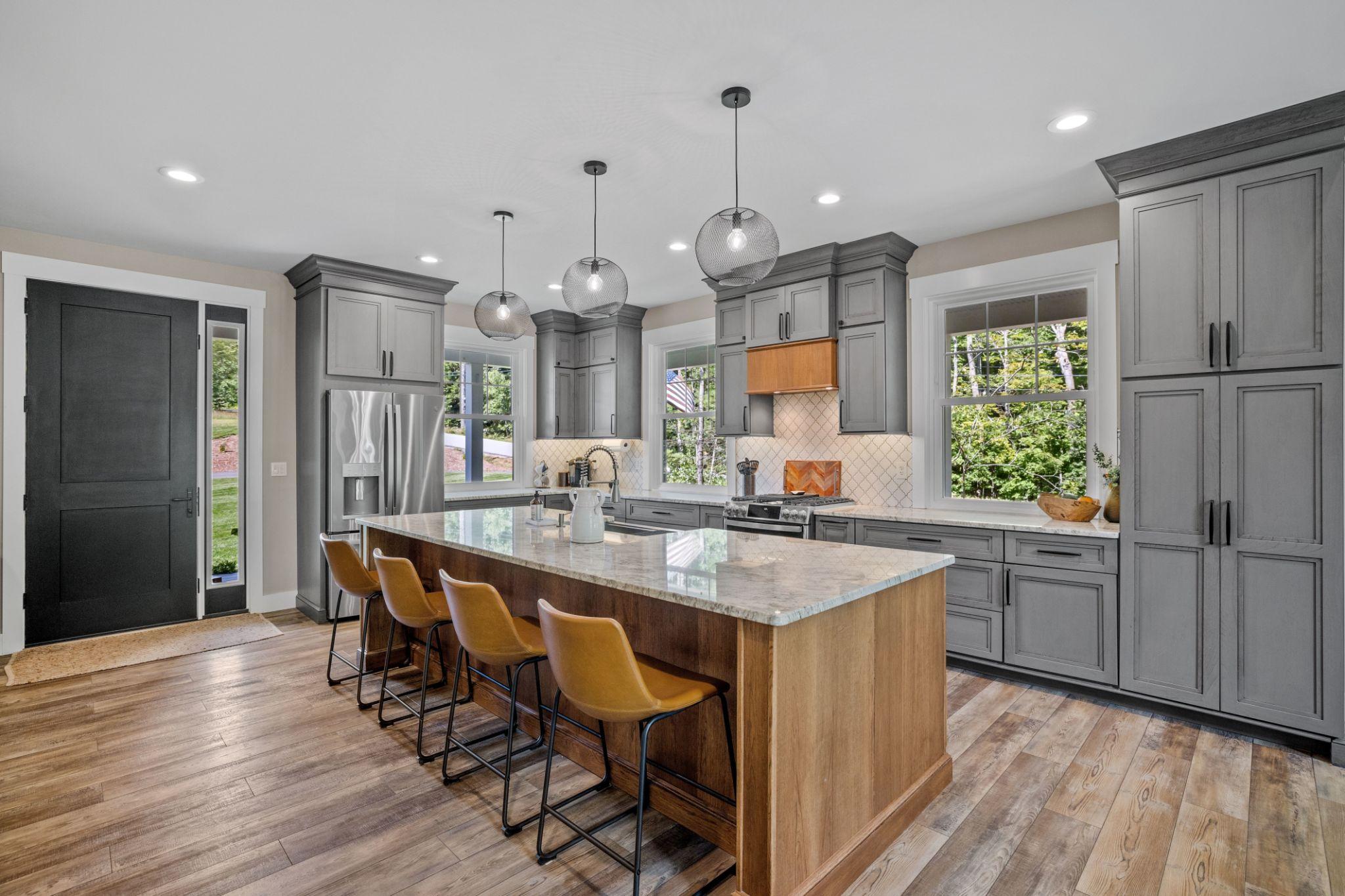
If you’re planning a kitchen remodel in Connecticut, you’re not just upgrading cabinets and countertops — you’re making one of the most valuable investments in your home.
In towns across Fairfield County, New Haven County, Hartford County, and beyond, updated kitchens consistently drive higher resale value, stronger buyer interest, and improved day-to-day living.
But Connecticut remodeling comes with unique considerations:
-
Local building permits
-
Historic district rules
-
Property value ceilings by town
-
High labor standards
-
Coastal humidity and seasonal shifts
-
Energy efficiency codes
This guide breaks down everything CT homeowners need to know to plan a kitchen renovation that maximizes value, avoids costly mistakes, and positions your home competitively in the Connecticut market.
Why Kitchen Remodeling Delivers Strong ROI in Connecticut
Connecticut real estate is competitive — especially in high-demand markets like:
-
Greenwich
-
Stamford
-
Norwalk
-
Westport
-
Fairfield
-
New Haven
-
Milford
-
Hartford
Buyers in these markets expect updated kitchens.
An outdated kitchen in a $700,000+ home will almost always become a negotiation point. A modern, well-designed kitchen, on the other hand, can:
-
Increase perceived home value
-
Reduce days on market
-
Support higher listing prices
-
Improve appraisal outcomes
Connecticut Market Reality
In suburban Connecticut, the kitchen is often the center of family life. Open-concept layouts, islands, and multifunctional spaces are in high demand — especially post-2020, when work-from-home changed how families use space.
How Much Does a Kitchen Remodel Cost in Connecticut?
Kitchen remodeling costs in Connecticut are typically higher than national averages due to:
-
Skilled labor rates
-
Permit requirements
-
Higher material standards
-
Regional cost of living
Here’s a realistic breakdown:
Minor Kitchen Remodel (CT)
-
Cabinet refacing or painting
-
New countertops
-
Updated hardware
-
Appliance upgrades
Estimated investment: $25,000 – $45,000
Mid-Range Kitchen Remodel (CT)
-
New semi-custom cabinetry
-
Quartz or granite countertops
-
Tile backsplash
-
Updated lighting
-
New flooring
-
Modern appliances
Estimated investment: $45,000 – $85,000
Major / High-End Kitchen Remodel (CT)
-
Layout changes
-
Wall removal
-
Custom cabinetry
-
Premium stone surfaces
-
High-end appliance package
-
Structural or plumbing relocation
Estimated investment: $90,000 – $175,000+
Actual pricing depends heavily on location (Greenwich vs. Hartford), home age, and structural complexity.
Connecticut Permit Requirements for Kitchen Remodeling
One of the most common questions:
Do you need a permit to remodel a kitchen in Connecticut?
In most CT towns, yes — if the project involves:
-
Electrical changes
-
Plumbing relocation
-
Structural wall removal
-
Window modifications
-
Gas line work
Each municipality has its own building department. For example:
-
Coastal towns may require additional approvals
-
Historic districts often require design review
-
Older homes may require code upgrades
Failing to pull proper permits can create problems during resale or appraisal.
Working with an experienced Connecticut remodeling contractor ensures compliance.
Connecticut Kitchen Design Trends (What Buyers Want)
Design preferences vary slightly by region.
Fairfield County
-
White or warm neutral cabinetry
-
Large waterfall quartz islands
-
Integrated panel appliances
-
Wide-plank hardwood floors
-
Statement lighting
Luxury buyers expect premium finishes and modern layouts.
New Haven & Hartford Counties
-
Transitional styles
-
Shaker cabinets
-
Quartz countertops
-
Energy-efficient appliances
-
Functional islands
Value-conscious upgrades with strong resale appeal perform best.
Coastal Connecticut Homes
Moisture-resistant materials are critical.
-
Quartz over marble
-
Engineered hardwood over traditional hardwood
-
Proper ventilation systems
-
High-quality cabinetry finishes
Salt air and humidity can impact material longevity.
The Layout Factor: Open Concept vs. Traditional Kitchens
In many Connecticut homes built before 1990, kitchens are separated from living areas.
Modern remodeling often includes:
-
Removing load-bearing walls
-
Expanding into dining rooms
-
Adding large islands
-
Creating sight lines into family rooms
However, structural modifications require engineering review and permits.
Open layouts increase perceived square footage and buyer appeal — but must be executed safely.
Energy Efficiency Matters in Connecticut
Connecticut homeowners face higher energy costs compared to many states.
A smart kitchen remodel should include:
-
LED recessed lighting
-
Energy Star appliances
-
Improved insulation
-
Proper ventilation
-
High-performance windows (if applicable)
Energy upgrades reduce long-term utility expenses and improve resale positioning.
Common Kitchen Remodeling Mistakes Connecticut Homeowners Make
1. Over-Improving Beyond Neighborhood Value
A $200,000 kitchen in a $500,000 neighborhood rarely recoups full cost.
Smart remodeling aligns with local home values.
2. Ignoring Older Home Infrastructure
Many Connecticut homes were built pre-1980. That often means:
-
Outdated wiring
-
Undersized electrical panels
-
Plumbing upgrades needed
-
Insulation deficiencies
Addressing infrastructure early prevents budget overruns.
3. Choosing Trend-Heavy Designs
Ultra-dark cabinets or bold color trends may age quickly.
Neutral, timeless designs perform better in Connecticut resale markets.
4. Underestimating Timeline in Winter
CT weather impacts delivery schedules and construction timelines.
Winter remodels can take longer due to material shipping delays and exterior work limitations.
How Long Does a Kitchen Remodel Take in Connecticut?
Typical timeline:
-
Design & planning: 3–6 weeks
-
Permitting: 1–4 weeks depending on town
-
Material ordering: 4–10 weeks
-
Construction: 6–12 weeks
Total project duration often spans 3–5 months from consultation to completion.
Kitchen Remodeling ROI in Connecticut
ROI varies by scope and market, but generally:
-
Minor remodels yield higher percentage returns
-
Mid-range remodels perform best overall
-
Luxury remodels improve buyer appeal but may have lower percentage ROI
In competitive markets like Fairfield County, updated kitchens can significantly shorten days on market.
People Also Ask (Optimized FAQ Section)
Is kitchen remodeling worth it in Connecticut?
Yes. In most CT markets, updated kitchens are among the top drivers of home value and buyer interest.
What adds the most value in a Connecticut kitchen remodel?
-
Updated cabinetry
-
Quartz countertops
-
Modern appliances
-
Open layout
-
Improved lighting
Do I need a permit to remove a wall in my Connecticut kitchen?
Yes, if the wall is load-bearing or affects structural integrity. Engineering review and municipal approval are typically required.
How much does labor cost for kitchen remodeling in CT?
Labor costs vary by region but are generally higher than national averages due to skilled trade demand and cost of living.
What is the best time of year to remodel a kitchen in Connecticut?
Spring and early summer are popular. Winter remodels are possible but may experience scheduling delays.
How to Plan a Successful Kitchen Remodel in Connecticut
-
Evaluate neighborhood home values
-
Set a realistic budget
-
Prioritize layout and functionality
-
Choose durable, climate-appropriate materials
-
Secure proper permits
-
Work with an experienced Connecticut remodeling contractor
Final Thoughts: Remodeling Smart in Connecticut
Kitchen remodeling in Connecticut isn’t just about design — it’s about strategy.
Understanding:
-
Local real estate dynamics
-
Permit requirements
-
Climate considerations
-
Buyer expectations
-
Neighborhood value ceilings
…is what separates an average renovation from a smart investment.
A well-executed kitchen remodel can:
-
Increase home value
-
Improve daily functionality
-
Lower energy costs
-
Attract stronger buyer interest
-
Enhance long-term satisfaction
If you’re considering a kitchen renovation in Connecticut, careful planning and experienced execution make all the difference.
The right remodel doesn’t just upgrade your kitchen — it upgrades your home’s future value.