
March 5, 2026
Converting a Garage Into Living Space in Connecticut: Costs, Permits, Zoning Rules & Design Ideas
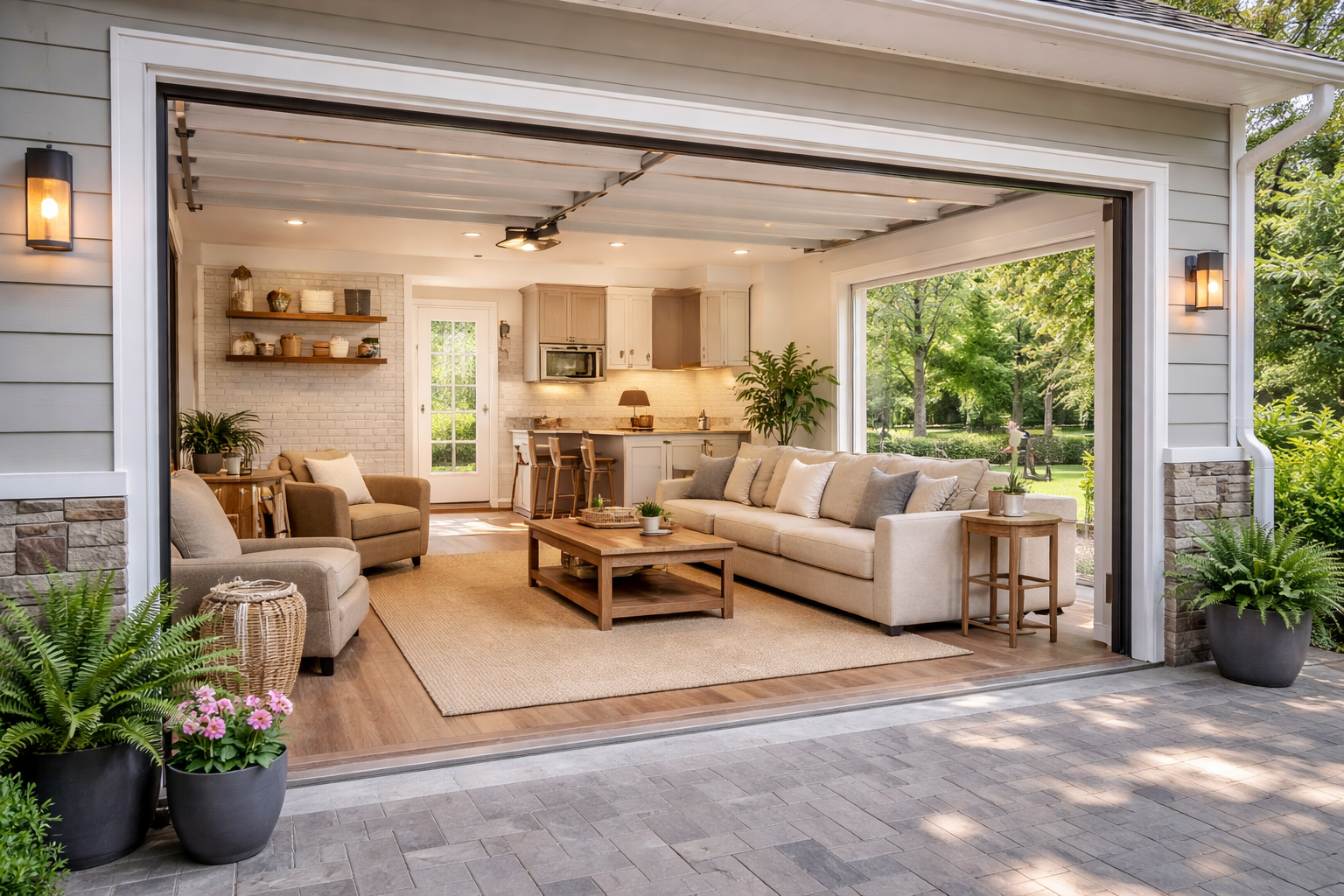
Many Connecticut homeowners are discovering that one of the easiest ways to gain more living space is already attached to their house, the garage.
Instead of building a costly home addition, converting a garage into a bedroom, office, in-law suite, or family room can add valuable square footage while improving functionality and resale value.
But in Connecticut, garage conversions require careful planning. Local zoning laws, building codes, insulation standards, and parking requirements can all affect whether your project is allowed.
In this guide, we’ll explain everything homeowners need to know about converting a garage into living space in Connecticut, including costs, permits, zoning considerations, and smart design strategies.
What Is a Garage Conversion?
A garage conversion transforms an existing garage into a finished interior living space.
Instead of storing vehicles, the space becomes usable square footage inside the home.
Common garage conversion uses include:
-
Guest bedrooms
-
Home offices
-
In-law suites
-
Rental apartments
-
Family rooms
-
Home gyms
-
Playrooms
-
Studios or creative spaces
Because the structure already exists, garage conversions are often more affordable than traditional home additions.
Why Connecticut Homeowners Are Converting Garages
Across Connecticut towns like Stamford, Greenwich, Norwalk, Fairfield, Westport, and New Haven, homeowners are facing the same challenges:
-
Rising housing prices
-
Growing families
-
Remote work needs
-
Multigenerational living
Garage conversions offer a practical solution.
Benefits include:
Increased Living Space
A typical two-car garage provides 400–500 square feet of potential living area.
Lower Cost Than an Addition
Garage conversions cost significantly less than building a full addition because the structure, foundation, and roof already exist.
Faster Construction Timeline
Most conversions take 6–10 weeks, compared with several months for major additions.
Higher Home Value
Finished square footage can increase resale value, particularly in high-demand Connecticut markets.
Average Cost of a Garage Conversion in Connecticut
Garage conversion costs vary depending on the level of remodeling required.
Typical Connecticut price ranges include:
| Project Type | Estimated Cost |
|---|---|
| Basic garage conversion | $30,000 – $50,000 |
| Full living space with bathroom | $50,000 – $80,000 |
| In-law suite conversion | $70,000 – $120,000 |
| Garage apartment with kitchen | $90,000 – $150,000 |
Cost factors include:
-
Structural modifications
-
Insulation upgrades
-
Electrical and plumbing installation
-
HVAC integration
-
Windows and natural light
-
Flooring and finishes
Homes in Fairfield County and coastal Connecticut often fall on the higher end due to labor and permit costs.
Do You Need a Permit for a Garage Conversion in Connecticut?
Yes. Garage conversions almost always require permits.
Typical permits include:
-
Building permit
-
Electrical permit
-
Plumbing permit (if bathroom or kitchen added)
-
Zoning approval
-
Inspections
Connecticut municipalities strictly regulate conversions to ensure safety and compliance with residential codes.
Working with an experienced contractor helps ensure the project passes inspection and avoids delays.
Zoning Rules That May Affect Garage Conversions
Many Connecticut towns require homes to maintain a certain number of off-street parking spaces.
If a garage is converted, homeowners may need to demonstrate alternative parking.
Common zoning issues include:
-
Minimum parking requirements
-
Setback rules
-
Accessory dwelling unit regulations
-
Fire safety requirements
-
Ceiling height standards
Some towns also regulate conversions used as rental apartments or in-law suites.
Before construction begins, zoning review ensures the project is legally permitted.
Structural Changes Required in Most Garage Conversions
Garages are not originally designed as living spaces.
To meet Connecticut building codes, contractors usually modify several structural elements.
Floor Level Adjustments
Garage floors are often lower than the home’s interior floor level.
Raising or leveling the floor improves comfort and moisture protection.
Insulation Upgrades
Garages typically lack proper insulation.
Contractors add insulation to:
-
Walls
-
Ceiling
-
Floors
This improves energy efficiency and meets Connecticut building standards.
Window Installation
Adding windows increases natural light and improves ventilation.
Exterior Wall Replacement
Garage doors are usually replaced with:
-
Exterior walls
-
Windows
-
French doors
This helps the space blend with the rest of the home.
HVAC Considerations for Garage Conversions
To meet Connecticut building codes, the converted space must have adequate heating and cooling.
Options include:
-
Extending existing HVAC systems
-
Mini-split heating and cooling units
-
Electric baseboard heating
-
Radiant floor heating
Mini-split systems are a popular solution because they provide efficient climate control without major ductwork changes.
Design Ideas for Garage Conversions
Garage conversions are incredibly versatile.
Here are some of the most popular design ideas among Connecticut homeowners.
Home Office
Remote work continues to drive demand for quiet, dedicated office space.
A converted garage provides separation from the main house.
In-Law Suite
Multigenerational living is increasing across Connecticut.
Garage conversions can include:
-
Bedroom
-
Bathroom
-
Kitchenette
-
Private entrance
Guest Bedroom
Perfect for visiting family or holiday guests.
Rental Apartment
Some towns allow accessory dwelling units (ADUs), enabling homeowners to generate rental income.
Home Gym
Garage spaces offer enough room for exercise equipment and fitness areas.
How Long Does a Garage Conversion Take?
Typical project timelines include:
| Stage | Time |
|---|---|
| Planning and design | 2–3 weeks |
| Permit approvals | 2–4 weeks |
| Construction | 4–8 weeks |
Total project timeline usually ranges from 6–12 weeks.
Does a Garage Conversion Increase Home Value?
Yes — but the impact depends on the neighborhood and buyer preferences.
Potential benefits include:
-
Increased livable square footage
-
Improved functionality
-
Appeal to remote workers
-
Multigenerational living options
However, removing garage parking can affect resale value in some areas where garages are expected.
A remodeling professional can help determine whether conversion makes sense for your home.
Garage Conversion vs Home Addition
| Feature | Garage Conversion | Home Addition |
|---|---|---|
| Cost | Lower | Higher |
| Timeline | Faster | Longer |
| Structural work | Minimal | Extensive |
| Permit complexity | Moderate | Higher |
For homeowners looking to add living space without major construction, garage conversions are often the most efficient solution.
Questions to Ask Before Converting Your Garage
Before starting a garage conversion in Connecticut, homeowners should consider:
-
Does local zoning allow garage conversions?
-
Will parking requirements be affected?
-
Is the structure suitable for conversion?
-
Will HVAC upgrades be required?
-
How will the space connect with the rest of the house?
Working with an experienced remodeling contractor ensures the project is both functional and compliant with local regulations.
Start Your Garage Conversion Project with Superior Remodelers
If you’re considering converting a garage into living space in Connecticut, the right contractor makes all the difference.
At Superior Remodelers, we help homeowners transform underused spaces into comfortable, beautiful living areas that add both functionality and value.
Our team handles every step of the process, including:
-
Design planning
-
Structural modifications
-
Permit approvals
-
Electrical and plumbing upgrades
-
Interior finishing
Whether you want a home office, guest suite, or additional living space, we can help bring your vision to life.
Contact Superior Remodelers today to schedule a consultation and explore the possibilities for your garage conversion.
FAQs
Is it legal to convert a garage into living space in Connecticut?
Yes, but homeowners must obtain permits and comply with local zoning laws, parking requirements, and residential building codes.
How much does it cost to convert a garage in Connecticut?
Most garage conversions cost between $30,000 and $80,000, depending on the level of remodeling and whether plumbing or kitchens are added.
Do garage conversions add value to a home?
Garage conversions can increase value by adding usable square footage, particularly when designed as bedrooms, offices, or in-law suites.
Can you convert a garage into an apartment in Connecticut?
Some municipalities allow accessory dwelling units (ADUs), but zoning rules vary by town.
