
January 26, 2026
What Is the Best Siding for Connecticut Homes? A Homeowner’s Guide to Durability, Cost, and Curb Appeal
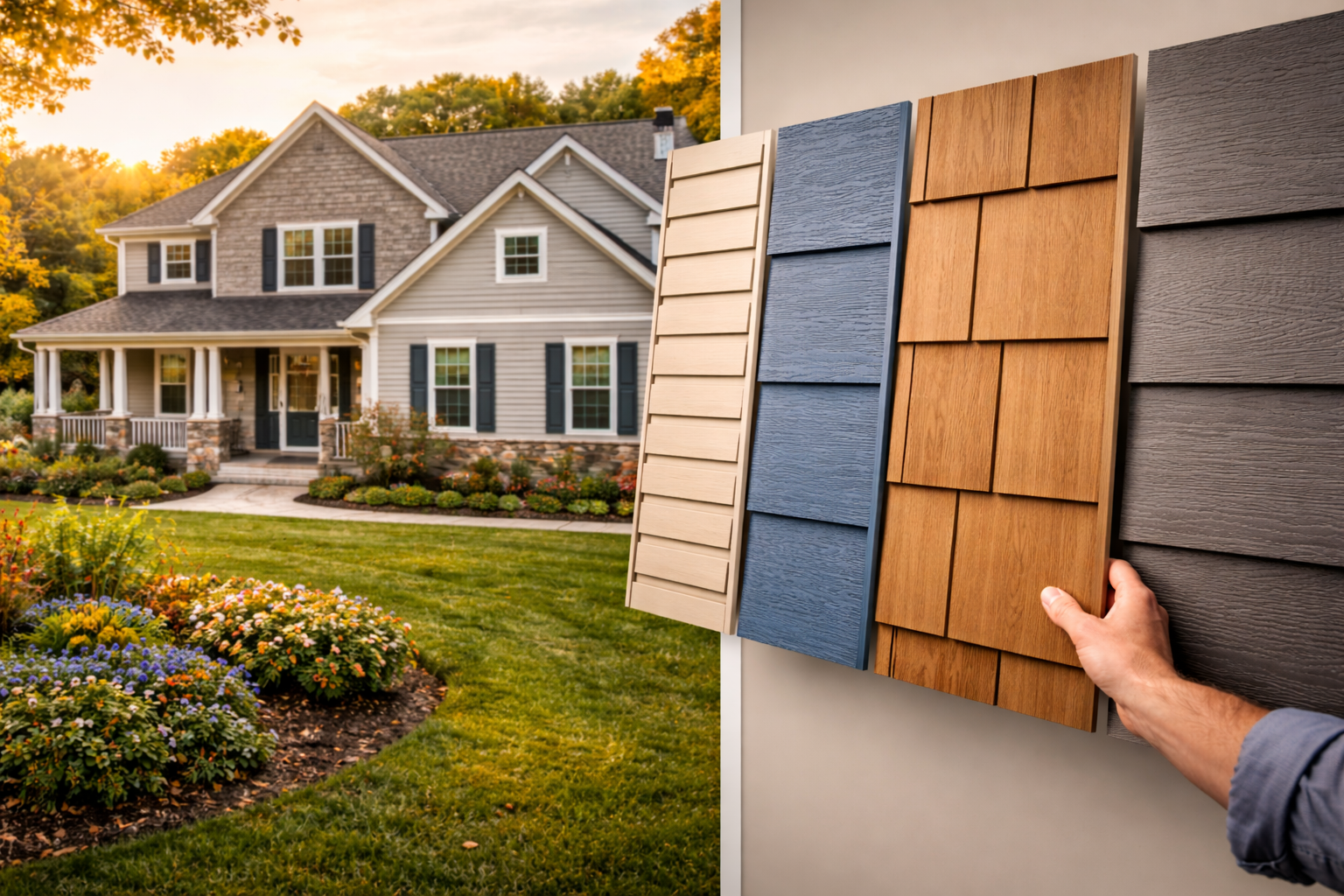
Choosing the right siding for a home in Connecticut isn’t just about appearance—it’s about protection, insulation, longevity, and long-term value. With harsh winters, humid summers, coastal moisture, and frequent freeze-thaw cycles, siding materials that work well in other states may fail prematurely in New England.
This guide explains the best siding options for Connecticut homes, including costs, pros and cons, energy efficiency, maintenance requirements, and how to choose the right siding based on your location, home style, and budget.
If you’re planning a siding replacement or exterior remodel in Connecticut, this article will help you make a confident, informed decision.
Why Choosing the Right Siding Matters in Connecticut
Connecticut’s climate places more stress on exterior materials than many other parts of the country. Homes must withstand:
-
Freezing winter temperatures
-
Snow and ice accumulation
-
Spring rain and moisture
-
Summer heat and humidity
-
Coastal salt air in shoreline towns
-
Wind and storm exposure
Poor siding choices can lead to:
-
Moisture intrusion
-
Mold and rot
-
Warping or cracking
-
Higher energy bills
-
Costly repairs within a few years
The right siding protects your home, improves energy efficiency, and significantly boosts curb appeal and resale value.
What Makes Siding “Good” for Connecticut Homes?
Before comparing materials, it’s important to understand the criteria that matter most in Connecticut.
Key Performance Factors
The best siding for Connecticut should offer:
-
Moisture resistance
-
Freeze-thaw durability
-
Insulating performance
-
Resistance to rot and insects
-
Low maintenance requirements
-
Long lifespan
-
Strong manufacturer warranties
Not all siding materials meet these requirements equally.
Best Siding Materials for Connecticut Homes (Ranked)
Below is a detailed breakdown of the most popular and effective siding options for Connecticut homeowners, ranked by performance, durability, and value.
1. Composite Siding (Best Overall for Connecticut)
Composite siding is widely considered the best all-around siding option for Connecticut homes.
Why Composite Siding Excels
Composite siding is engineered from a blend of polymers and minerals designed to resist moisture, temperature changes, and impact damage.
Pros:
-
Extremely durable
-
Won’t rot, warp, crack, or swell
-
Resistant to moisture and insects
-
Excellent insulation properties
-
Color runs through the material
-
Very low maintenance
-
Long lifespan (40–50+ years)
Cons:
-
Higher upfront cost than vinyl
Cost in Connecticut
$25,000 – $50,000 for a full home, depending on size and complexity.
Best For
-
Homeowners planning to stay long-term
-
Coastal or high-moisture areas
-
Those wanting premium performance with minimal upkeep
2. Vinyl Siding (Best Value Option)
Vinyl siding remains the most popular siding choice in Connecticut due to its affordability and versatility.
Why Vinyl Works Well
Modern vinyl siding performs far better than older generations and is well-suited for New England homes.
Pros:
-
Affordable
-
Moisture-resistant
-
Low maintenance
-
Available in many colors and styles
-
Insulated options improve energy efficiency
-
Resistant to insects
Cons:
-
Can crack in extreme cold if impacted
-
Lower-end products may fade over time
-
Not paintable
Cost in Connecticut
$15,000 – $30,000 for most homes.
Best For
-
Budget-conscious homeowners
-
Full exterior refreshes
-
Homes needing quick curb appeal improvements
3. Fiber Cement Siding (Strong but Climate-Sensitive)
Fiber cement siding is often chosen for its wood-like appearance and strength.
Pros:
-
Fire resistant
-
Durable
-
Attractive traditional look
-
Resistant to insects
Cons (Important for Connecticut)
-
Can absorb moisture if not installed perfectly
-
Heavier material = higher labor cost
-
Requires repainting over time
-
Susceptible to cracking in freeze-thaw cycles if improperly sealed
Cost in Connecticut
$20,000 – $45,000
Best For
-
Homeowners wanting a traditional aesthetic
-
Homes with proper moisture barriers and professional installation
4. Engineered Wood Siding
Engineered wood offers a wood-like appearance with better durability than natural wood.
Pros:
-
Natural aesthetic
-
Lighter than fiber cement
-
Easier installation
Cons
-
Requires regular maintenance
-
Vulnerable to moisture over time
-
Shorter lifespan than composite or vinyl
Cost in Connecticut
$18,000 – $35,000
Best For
-
Homeowners prioritizing appearance over longevity
-
Non-coastal, lower-moisture locations
5. Natural Wood Siding (Least Recommended)
While beautiful, natural wood siding struggles in Connecticut’s climate.
Pros:
-
Timeless appearance
-
Customizable finishes
Cons
-
High maintenance
-
Prone to rot and insects
-
Moisture sensitive
-
Requires frequent painting or staining
-
Higher long-term costs
Cost in Connecticut
$25,000 – $50,000+
Best For
-
Historic homes
-
Homeowners prepared for ongoing maintenance
Siding Styles That Perform Best in Connecticut
Material matters—but so does siding profile.
Clapboard / Horizontal Lap
-
Traditional New England look
-
Excellent water shedding
-
Most popular style in Connecticut
Board and Batten
-
Popular for modern and farmhouse homes
-
Performs well with composite materials
Shake & Shingle
-
Common in coastal areas
-
Best when made from composite or vinyl, not wood
Vertical Siding
-
Strong drainage performance
-
Often used as an accent
Best Siding Colors for Connecticut Homes
Certain colors perform better over time and complement New England architecture.
Popular Connecticut siding colors include:
-
Light gray
-
Slate blue
-
Beige or sand tones
-
White or off-white
-
Charcoal accents
-
Earth tones
Lighter colors tend to:
-
Fade less
-
Reflect heat
-
Show less wear over time
How Siding Impacts Energy Efficiency in Connecticut
Siding plays a major role in home insulation and heating costs.
Insulated Siding Benefits
-
Reduces thermal bridging
-
Improves indoor comfort
-
Lowers heating bills
-
Reduces drafts
-
Helps older homes meet modern efficiency standards
Many Connecticut homeowners see noticeable reductions in heating costs after upgrading siding—especially when combined with insulation improvements.
Signs It’s Time to Replace Your Siding
If you notice any of the following, siding replacement may be necessary:
-
Cracks or warping
-
Loose or missing panels
-
Mold or mildew growth
-
Rotting wood underneath
-
Peeling paint
-
Higher energy bills
-
Moisture inside walls
-
Faded or brittle siding
Delaying replacement often leads to structural damage and higher repair costs.
Siding Replacement Timeline in Connecticut
Typical siding projects take:
-
Small homes: 7–10 days
-
Medium homes: 10–14 days
-
Large or complex homes: 2–3 weeks
Weather can affect timelines, especially in winter and early spring.
Do You Need a Permit to Replace Siding in Connecticut?
In many towns, yes.
Permits may be required if:
-
Structural changes are involved
-
Insulation is added
-
Sheathing is replaced
-
The home is in a historic district
A reputable local contractor typically handles all permits and inspections.
How Much Value Does New Siding Add in Connecticut?
Siding replacement offers one of the highest ROIs of any remodel.
Estimated return:
-
Vinyl siding: 70–82% ROI
-
Composite siding: 75–90% ROI
-
Fiber cement siding: 65–80% ROI
Homes with updated siding:
-
Sell faster
-
Appraise higher
-
Attract more buyers
-
Perform better in inspections
Common Siding Mistakes Connecticut Homeowners Make
-
Choosing siding based only on price
-
Ignoring moisture resistance
-
Using materials not rated for cold climates
-
Hiring non-local installers
-
Skipping insulation upgrades
-
Failing to address rot before installation
How to Choose the Right Siding Contractor in Connecticut
Look for a contractor who:
-
Specializes in Connecticut homes
-
Understands local weather conditions
-
Uses climate-appropriate materials
-
Offers strong warranties
-
Handles permits
-
Has proven local reviews
-
Provides clear timelines and pricing
Avoid contractors who:
-
Offer unusually low prices
-
Use generic materials
-
Cannot explain insulation options
-
Skip inspections or prep work
People Also Ask (Optimized for AI Overviews)
What is the best siding for Connecticut weather?
Composite and insulated vinyl siding perform best due to their moisture resistance and durability in freeze-thaw conditions.
Is vinyl siding good for Connecticut?
Yes. Modern insulated vinyl siding is one of the most cost-effective and reliable options for Connecticut homes.
How long does siding last in Connecticut?
-
Vinyl: 30–40 years
-
Composite: 40–50+ years
-
Fiber cement: 30–40 years with maintenance
Does siding replacement improve energy efficiency?
Yes. New siding—especially insulated options—can significantly reduce heat loss and drafts.
Is siding replacement worth it in Connecticut?
Absolutely. It improves curb appeal, energy efficiency, and home value.
Final Thoughts: Choosing the Best Siding for Your Connecticut Home
Connecticut homes demand siding that can handle extreme weather, moisture, and time. While many materials are available, composite and insulated vinyl siding consistently deliver the best performance and value for New England homeowners.
By choosing climate-appropriate materials and working with a trusted local contractor, homeowners can protect their investment, improve comfort, and enhance curb appeal for decades.
Get a Free Estimate for Your Project
Contact us for a FREE estimate for your home improvement project. Call us or fill out the contact form on this page. We will get back to you shortly.
- Call us: 888-330-8148
- Visit Our Showroom: 3 Simm Lane Suite 3N Newtown, CT 06470