
April 6, 2026
Window Replacement in Connecticut
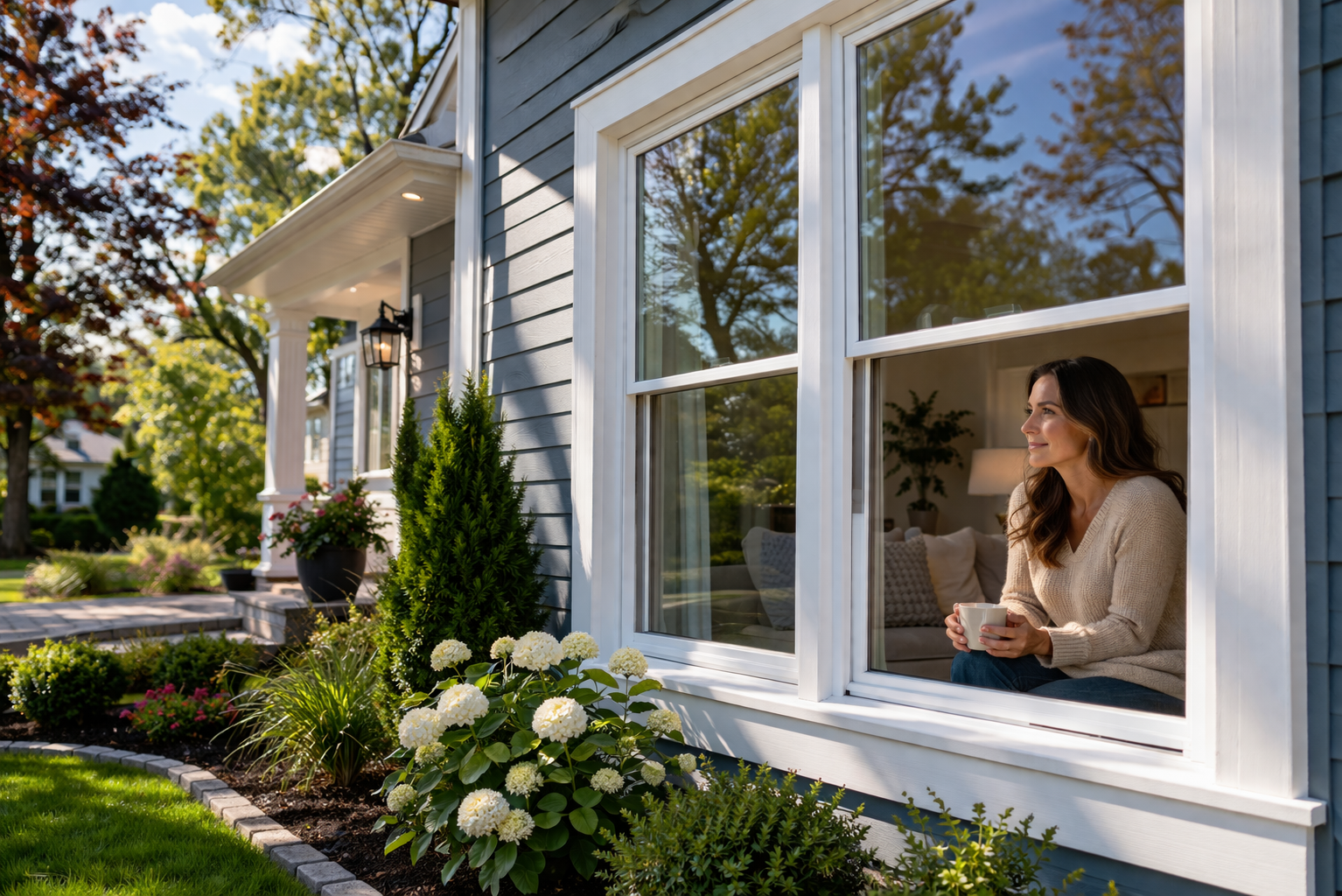
If your home feels drafty in the winter, too hot near the glass in the summer, or noticeably louder than it should be when traffic or weather picks up outside, your windows may be working against you. In Connecticut, old or poorly performing windows can affect comfort, efficiency, curb appeal, and even how much confidence buyers have in your home.
For many homeowners, the challenge is not knowing whether windows need to be replaced. It is knowing when replacement makes sense, what warning signs matter most, how much the project may cost, and what to expect before installation begins.
This guide breaks down the window replacement process for Connecticut homeowners in a practical way. We will cover common signs your windows are past their prime, when repair may still make sense, what factors affect cost, how replacement can support energy efficiency, and how to plan your project with fewer surprises.
Why Window Replacement Matters in Connecticut
Connecticut homes deal with a little bit of everything: cold winters, humid summers, wind-driven rain, coastal moisture in some areas, and constant seasonal expansion and contraction. That puts pressure on aging windows, especially in older homes where original frames, seals, or glass packages may no longer perform the way they should.
When windows begin to fail, the problems are not always dramatic at first. You might notice a small draft near a living room window, condensation that keeps returning, rising heating bills, or difficulty opening and locking certain units. Over time, those smaller problems can turn into ongoing discomfort, water-related damage around the opening, and a home that simply feels less efficient and less polished.
Replacing outdated windows can improve:
- Indoor comfort throughout the year
- Energy performance
- Noise control
- Home appearance inside and out
- Ease of operation and safety
- Long-term home value
Top Signs It May Be Time to Replace Your Windows
1. You Feel Drafts Near Closed Windows
A noticeable draft is one of the clearest signs that your windows are no longer sealing properly. In Connecticut, even minor air leakage can make rooms feel colder in winter and harder to cool in summer.
2. Your Energy Bills Keep Climbing
Windows are not always the only cause of rising utility costs, but older single-pane units, worn seals, and aging frames can contribute to heat loss and air leakage. If your HVAC system seems to be working harder than it should, your windows may be part of the problem.
3. Condensation Shows Up Between the Glass Panes
If you see fog or moisture trapped between panes, that usually points to a failed seal. Once the insulated glass unit loses that seal, performance drops and the window often needs more than a simple cosmetic fix.
4. Windows Are Hard to Open, Close, or Lock
Sticky, painted-shut, warped, or misaligned windows are frustrating, but they can also become a safety issue. A window that does not open properly may not function well for ventilation or emergency exit, and one that does not lock well can affect security.
5. Frames Show Rot, Soft Spots, or Water Damage
Moisture damage around the frame or sill should never be ignored. Rotting wood, peeling interior trim, or staining near the opening can signal ongoing water intrusion or long-term performance issues.
6. Outside Noise Seems Too Loud Indoors
If your home is near a busy road, school, downtown area, or heavily trafficked neighborhood, window performance can have a major effect on indoor quiet. Replacement windows can help reduce unwanted exterior noise and make living spaces feel more comfortable.
7. Your Windows Make the House Look Dated
Performance is not the only reason homeowners replace windows. Sometimes the style, grid pattern, frame color, or condition simply makes the home look older than it should. Window replacement can significantly improve curb appeal when it is matched to the home’s architecture.
Should You Repair or Replace Your Windows?
Not every window problem means full replacement is necessary. In some cases, repair may still be the right move.
Repair may make sense when:
- The issue is limited to hardware, trim, or minor weatherstripping
- The frame is still structurally sound
- The windows are relatively new
- You only have one isolated problem area
Replacement usually makes more sense when:
- Multiple windows are failing
- You have widespread drafts or seal failures
- Frames are deteriorated or water-damaged
- You want better energy performance across the home
- You are already updating siding, doors, or exterior finishes
For many Connecticut homeowners, the decision comes down to scale. One small issue may be repairable. A pattern of discomfort, visible wear, and poor performance throughout the home often points to replacement as the more practical long-term investment.
What Types of Homes in Connecticut Often Need Window Replacement?
Window replacement can be a smart project for many property types, but it is especially common in:
- Older colonials with aging wood windows
- Raised ranches with draft issues
- Cape-style homes with inconsistent room temperatures
- Split-level homes with mixed-era windows from past renovations
- Homes near the shoreline where moisture and exposure accelerate wear
- Homes being prepared for resale
It is also common for homeowners to combine window replacement with other upgrades such as siding, doors, trim work, or a larger remodeling plan. Bundling exterior work can sometimes create a cleaner final result and reduce disruption over time.
How Much Does Window Replacement Cost in Connecticut?
Window replacement costs vary based on the number of windows, window style, frame material, glass package, installation complexity, and whether any surrounding framing or trim repairs are needed.
In general, cost often depends on questions like these:
- Are you replacing one or two windows or the whole house?
- Are the windows standard double-hung units or larger custom shapes?
- Do you want upgraded glass packages or design details?
- Is there hidden damage around the openings?
- Will the installation be straightforward or more labor-intensive?
Homeowners should also keep in mind that the lowest quote is not always the best value. Proper measuring, careful installation, flashing details, insulation around the opening, and clean finish work all matter. A window only performs as well as it is installed.
What Affects the Final Price?
Window Style
Standard double-hung windows are often more straightforward than bays, bows, picture windows, specialty shapes, or larger custom assemblies.
Frame Material
Vinyl remains a popular option for many Connecticut homeowners because it balances appearance, efficiency, and maintenance. Other materials may be chosen for architectural reasons, interior finish preferences, or budget range.
Glass Package
Glass upgrades can affect comfort, UV protection, and overall efficiency. Depending on the home and orientation, some homeowners prioritize better solar control while others focus more on winter performance.
Condition of the Opening
If trim, sheathing, sills, or framing show damage once the old window is removed, repairs may be needed before the new unit can be installed correctly.
Interior and Exterior Finish Work
Some projects are simple insert replacements. Others require more involved finish carpentry, exterior trim updates, or a more complete opening rebuild.
When Is the Best Time of Year to Replace Windows in Connecticut?
Many homeowners assume they need to wait for perfect weather, but window replacement can be planned during multiple seasons. Spring and fall are often popular because temperatures are moderate, but summer and even winter projects can still move forward with the right planning and installation process.
The best time is often when:
- Your windows are clearly underperforming
- You want the project completed before peak heating or cooling season
- You are coordinating with siding, roofing, or exterior trim work
- You want to address comfort problems before they worsen
In many cases, waiting too long costs more in discomfort and inefficiency than homeowners expect.
How Window Replacement Can Improve Energy Efficiency
Window replacement is not just about aesthetics. In Connecticut, it can play a meaningful role in how comfortable and efficient a home feels throughout the year.
Well-installed replacement windows can help reduce:
- Air leakage around aging frames
- Cold spots near glass in winter
- Heat gain in warmer months
- Strain on heating and cooling systems
They can also help create a more even indoor temperature from room to room, especially in homes with older windows that vary in age or condition.
What to Expect During a Window Replacement Project
1. Initial Consultation
The process usually starts with an in-home assessment. Measurements are taken, goals are discussed, and recommendations are made based on your home, style preferences, and budget.
2. Product Selection
You will choose window types, frame colors, grid patterns, hardware finishes, and glass options. This is where function and appearance come together.
3. Final Measurements and Ordering
Precise measurements matter. Once products are finalized, the windows are ordered to fit the openings correctly.
4. Installation Day
On installation day, crews remove the old windows, prepare the openings, install the new units, insulate and seal around them, and complete interior and exterior finish details as needed.
5. Cleanup and Walkthrough
A professional project should end with cleanup, operation checks, and a walkthrough so you understand how the new windows function and what was completed.
Questions Connecticut Homeowners Should Ask Before Hiring a Window Contractor
- How do you evaluate whether a window should be repaired or replaced?
- What installation method do you recommend for my home?
- Will you inspect for damage around the opening once the old window is removed?
- What types of windows do you install most often in Connecticut homes?
- Can you help coordinate this with siding, trim, or door work if needed?
- What should I expect for scheduling, disruption, and cleanup?
- Do you offer financing options?
Why Some Homeowners Replace Windows Along With Other Exterior Upgrades
Window replacement often overlaps with broader exterior improvement plans. If your siding is aging, your entry doors need updating, or your trim has visible wear, it may make sense to plan several related upgrades together.
That can help create:
- A more cohesive exterior appearance
- Better air and water management details
- Fewer separate project disruptions
- A more complete value-add for the home
Internal Links You Can Add to Strengthen This Post
Primary Service Links
Helpful Supporting Links
Relevant Related Service Links
- Door Replacement in Connecticut
- Siding Installation in Connecticut
- Roof Installation in Connecticut
- Gutter Replacement in Connecticut
Suggested Local Internal Links
FAQ: Window Replacement in Connecticut
How do I know if my windows need to be replaced?
Common signs include drafts, condensation between panes, difficulty opening or locking the windows, visible frame deterioration, rising energy bills, and outside noise that seems unusually noticeable indoors.
Is it better to replace all windows at once?
Not always, but replacing multiple windows at once can create a more consistent appearance and performance level across the home. It can also make sense when several windows are the same age and showing similar issues.
Can new windows help with energy efficiency?
Yes. Well-installed replacement windows can help reduce air leakage, improve comfort near the glass, and support more stable indoor temperatures.
What style of replacement window is most common?
That depends on the home, but many Connecticut homeowners choose practical, low-maintenance replacement options that balance efficiency, appearance, and ease of use.
Should I replace windows before selling my house?
In many cases, updated windows improve first impressions, comfort, and buyer confidence. Whether it is worth doing before listing depends on the condition of the current windows and the overall market position of the home.
Final Thoughts
Window replacement is one of those projects homeowners often delay until the discomfort becomes impossible to ignore. But when drafts, failed seals, sticking sashes, and visible wear start adding up, replacement can improve the way your home feels every single day.
For Connecticut homeowners, the best approach is to evaluate the full picture: comfort, efficiency, appearance, maintenance, and long-term value. A well-planned window project can do more than freshen up the exterior. It can make the home quieter, more comfortable, and easier to enjoy season after season.
If you are starting to notice signs of window failure, the next step is simple: get a professional assessment, compare options carefully, and build a plan that fits your home and budget.
CTA Option: Ready to upgrade old, drafty windows? Contact Superior Remodelers to schedule a consultation and explore the best replacement options for your Connecticut home.
