
April 9, 2026
Garage Door Replacement in Connecticut: Cost, Styles, Insulation & What to Expect
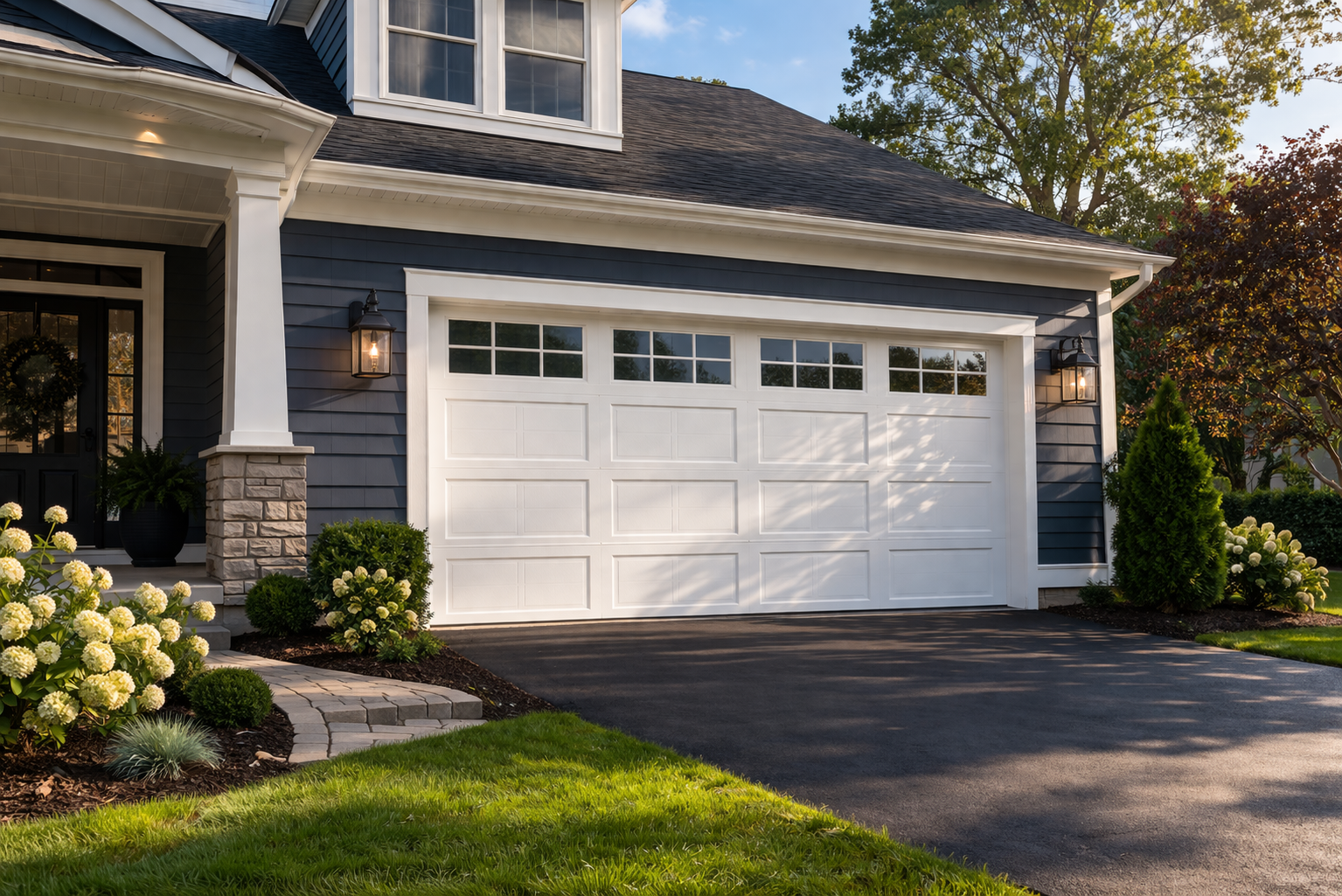
Quick Answer: When Is Garage Door Replacement Worth It?
Garage door replacement is usually worth considering when the existing door has repeated repair issues, visible damage, poor insulation, outdated safety features, or a style that makes the rest of the home look dated. It can also make sense when the opener is struggling because the door itself is warped, unbalanced, or too heavy.
In Connecticut, homeowners often replace garage doors for one or more of these reasons:
- The door no longer opens or closes smoothly
- Panels are cracked, dented, rotting, or rusting
- Cold air, moisture, or pests are getting into the garage
- The home’s exterior has been updated and the garage door now looks out of place
- The door lacks modern safety or security features
- Repair costs are starting to add up
If the garage door is attached to the home, replacement can be even more valuable because air leakage and poor insulation can affect comfort in adjacent rooms.
Signs It May Be Time to Replace Your Garage Door
1. The Door Looks Worn Out
Faded finishes, dents, warping, peeling paint, corrosion, and cracked panels can make the entire front of a home look older. Since garage doors often take up a large portion of the exterior façade, even one aging door can drag down curb appeal.
2. It Makes Excessive Noise
Some noise can come from rollers, springs, or openers, but persistent grinding, shaking, rattling, or banging may point to bigger problems. If the door system is aging overall, replacement may be more practical than repeated repairs.
3. It Is Not Sealing Properly
If you notice drafts, water intrusion, leaves, dirt, or insects coming in under or around the door, the weather seal may be failing. Sometimes seals can be replaced, but older doors with warped sections or damaged tracks may need a full upgrade.
4. The Door Feels Unsafe or Unreliable
If the door sticks, reverses unexpectedly, closes unevenly, or seems unstable, it should be evaluated quickly. Garage doors are heavy systems under tension, and reliability matters for both safety and convenience.
5. Repairs Keep Coming
One repair is normal. Several repairs in a short period may be a sign the system has reached the point where replacement offers better long-term value.
How Much Does Garage Door Replacement Cost in Connecticut?
Garage door replacement cost in Connecticut depends on the size of the door, the material, insulation level, design, glass inserts, hardware upgrades, and whether the opener, tracks, or framing need attention too.
In general, the final cost can vary based on:
- Single-car vs. double-car garage door size
- Steel, wood, composite, or aluminum construction
- Insulated vs. non-insulated door panels
- Window inserts and decorative hardware
- Custom colors or carriage-house styling
- Condition of the existing opening and framing
- Whether a new opener is installed at the same time
- Removal and disposal of the old door
Homeowners should be careful about comparing quotes based only on the lowest number. A garage door is not just a panel. It is a full operating system that includes tracks, rollers, springs, seals, hardware, balancing, and opener compatibility. A better installation often means better performance, quieter operation, and fewer headaches later.
Pro tip: Ask for a written estimate that clearly explains the door model, insulation level, hardware, warranty details, and whether haul-away, trim work, and opener reconnection are included.
What Affects Garage Door Replacement Price the Most?
Door Size
A standard single garage door will usually cost less than a double-width door because of material quantity, weight, and hardware demands.
Material Choice
Steel doors are popular for their durability and lower maintenance. Wood doors offer a classic look but may require more upkeep. Composite options can provide a wood-look appearance with less maintenance than real wood.
Insulation
Insulated garage doors usually cost more upfront, but they can be worth it in Connecticut, especially for attached garages or garages used as workshops, gyms, storage spaces, or laundry areas.
Design Complexity
Flush panel, raised panel, carriage-house, contemporary glass, and custom styles all come with different pricing. Window layouts and decorative hinges can also affect cost.
Opener and Hardware
Sometimes the opener can stay. Other times, the existing opener is outdated, undersized, or near the end of its useful life. Replacing both the door and opener together can be a smart move when the whole system is aging.
Best Garage Door Materials for Connecticut Homes
Steel Garage Doors
Steel is one of the most common choices because it offers durability, versatility, and relatively low maintenance. It works well across many Connecticut home styles, from colonial to contemporary.
Best for: Homeowners who want a strong balance of cost, durability, and style options.
Wood Garage Doors
Wood delivers natural character and high-end curb appeal. It can look beautiful on traditional homes, but it generally needs more maintenance than other materials.
Best for: Homes where architectural appearance is the top priority.
Composite Garage Doors
Composite doors can mimic the look of real wood while reducing maintenance demands. They are often a strong fit for homeowners who want warmth and texture without as much upkeep.
Best for: Homeowners who want wood-style aesthetics with more practicality.
Aluminum and Glass Garage Doors
These doors create a modern look and can work especially well on contemporary homes. They can add visual interest, but privacy, insulation, and appearance from the street should all be considered carefully.
Best for: Modern home designs and homeowners prioritizing aesthetics.
Do You Need an Insulated Garage Door in Connecticut?
In many cases, yes. Connecticut weather brings cold winters, seasonal temperature swings, and damp conditions that make insulation more relevant than it is in milder climates.
An insulated garage door may be worth the upgrade if:
- Your garage is attached to the house
- There is living space above or beside the garage
- You use the garage for hobbies, storage, exercise, or laundry
- You want quieter door operation
- You want better overall comfort near the garage area
While a garage door alone will not solve every comfort issue, upgrading from an old, thin, drafty door to a properly installed insulated model can make a noticeable difference.
Popular Garage Door Styles in Connecticut
Raised-Panel Garage Doors
A classic option that works on many home styles and neighborhoods. These doors remain popular because they are clean, familiar, and versatile.
Carriage-House Garage Doors
Great for homes that want a more traditional or custom look. These doors often pair well with decorative windows and hardware.
Modern Flush Garage Doors
Sleek and simple, these doors are often chosen for updated or contemporary exteriors.
Garage Doors with Windows
Windows can improve appearance and bring natural light into the garage, but homeowners should think through privacy, sun exposure, and how the design fits the rest of the home.
Should You Replace the Garage Door Opener Too?
Sometimes yes, especially if the opener is older, noisy, unreliable, or lacks modern features such as smartphone controls, battery backup, or updated safety technology.
You may want to replace the opener at the same time if:
- The opener is already struggling with the current door
- The new door is heavier or substantially different
- You want quieter operation
- You want updated security and convenience features
- The opener is nearing the end of its service life
Coordinating both upgrades together can simplify installation and help ensure the system is properly matched.
What the Garage Door Installation Process Usually Looks Like
Every project is different, but the garage door replacement process often includes:
- Inspection and measurement of the opening, headroom, tracks, and current system
- Style and product selection based on budget, insulation goals, and curb appeal
- Written estimate with materials, labor, and any recommended upgrades
- Removal of the old door and related components as needed
- Installation of the new door system, tracks, springs, seals, and hardware
- Balancing, testing, and opener connection for smooth operation
- Final walkthrough to confirm performance and answer questions
A quality installation matters just as much as the door you choose. Even a strong product can underperform if the system is poorly installed, improperly balanced, or not sealed correctly.
How Long Does Garage Door Replacement Take?
Once the product is available and the project is scheduled, installation itself is often completed quickly. The bigger variable is usually lead time for ordering the selected door, especially if the homeowner wants a specific style, color, insulation package, or manufacturer.
That is why it helps to start planning before the current door fails completely. Replacing a garage door proactively gives you more control over style, budget, and scheduling.
How to Choose the Right Garage Door for Your Home
The best garage door is not always the most expensive one. It is the one that fits your home, your goals, and how you use the space.
When comparing options, ask yourself:
- Is my garage attached or detached?
- Do I care most about curb appeal, insulation, durability, or price?
- Do I want windows for light, or privacy without glass?
- Does the new door need to match updated siding, windows, or entry doors?
- Should I replace the opener now to avoid another project later?
If you have recently upgraded siding, windows, roofing, or your front entry, a garage door replacement can tie the whole exterior together and make the home feel more finished.
Is Garage Door Replacement a Good Investment?
For many Connecticut homeowners, yes. A garage door is one of the few exterior updates that can affect appearance, daily function, security, and comfort at the same time.
Potential benefits include:
- Better curb appeal
- Quieter and smoother operation
- Improved insulation and weather resistance
- Fewer service calls and repair concerns
- Updated safety and convenience features
- A more cohesive exterior design
It can be especially worthwhile if the existing door is old enough that repairs are becoming a recurring expense.
Connecticut Homeowner FAQs About Garage Door Replacement
How do I know if I need garage door repair or full replacement?
If the issue is limited to one component, repair may be possible. If the door has multiple problems, visible damage, poor insulation, recurring breakdowns, or outdated hardware, replacement may offer better long-term value.
Is an insulated garage door worth it in Connecticut?
It often is, particularly for attached garages or garages next to living space. Insulation can help with comfort, noise reduction, and overall performance during colder months.
How often should garage doors be replaced?
There is no one-size-fits-all timeline. Lifespan depends on material, climate exposure, maintenance, usage frequency, and installation quality. A well-maintained door can last for many years, but age plus repeated problems usually signals it is time to explore replacement.
Can I replace just one garage door panel?
Sometimes, but not always. Panel replacement depends on the door model, extent of damage, color match availability, and whether the rest of the door is still in good condition.
Should garage door replacement be done before other exterior upgrades?
It depends on your goals. If the garage door is in poor condition, replacing it early can make sense. If you are updating siding, windows, or doors too, planning those projects together can help create a more cohesive final look.
Internal Links to Add on SuperiorRemodelers.com
Primary Service Links
- Garage Doors
- Garage Door Installation & Replacement
- Garage Door Repair & Maintenance
- Exterior Door Installation
- Window Installation
- Siding Replacement
- Home Remodeling Services in Connecticut
Helpful Supporting Links
- How Much Does a Home Remodel Cost in Connecticut?
- Window Replacement in Connecticut
- Customer Reviews
- Completed Projects
- Home Improvement Financing
- Get a Free Estimate
Final Thoughts
Garage door replacement in Connecticut is about more than replacing a worn panel. The right upgrade can improve how your home looks, how your garage performs, and how reliable your day-to-day routine feels.
If your current door is outdated, drafty, noisy, damaged, or becoming a maintenance issue, now is a good time to compare options and get professional guidance. A properly selected and professionally installed garage door can add lasting value, improve curb appeal, and make your home more comfortable and functional year-round.
Need help with more than the garage door? Superior Remodelers also helps Connecticut homeowners with exterior doors, windows, siding, roofing, and broader remodeling projects that improve curb appeal, performance, and long-term home value.
