
November 7, 2025
Best Siding Installation Services in Connecticut
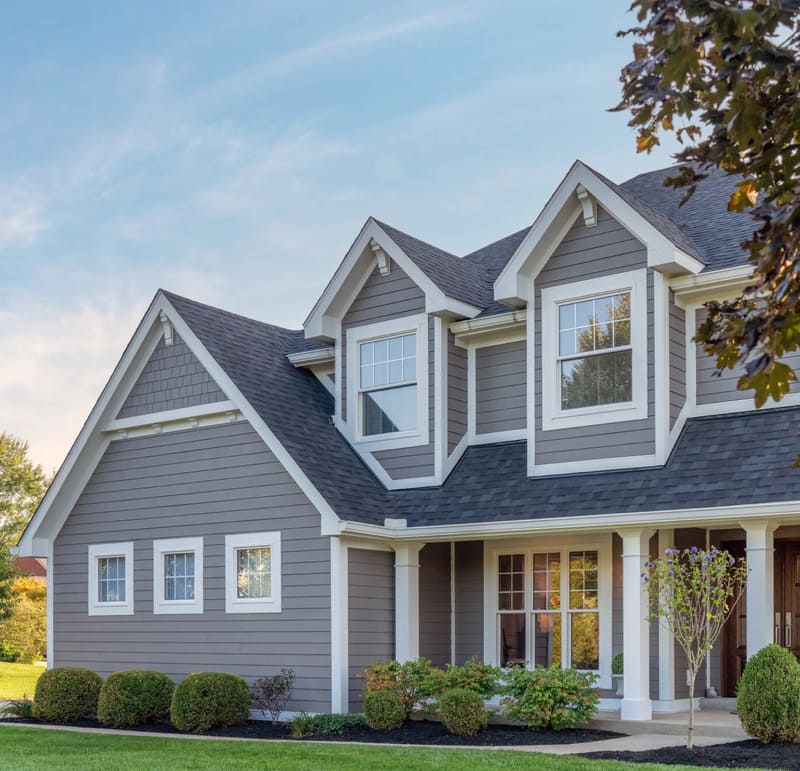
When you’re considering upgrading your home’s exterior in Connecticut — whether it’s refreshing the siding, replacing worn materials, or enhancing curb appeal and energy efficiency — selecting the right siding installation service is critical. The right contractor brings the expertise to choose the optimal materials, knows how to address New England-specific challenges (weather, older homes, moisture control), and executes with craftsmanship and communication. In this article we’ll:
-
Define what “best siding installation service” means in the Connecticut context.
-
Give you the current landscape and trends for siding work in CT.
-
Provide a detailed checklist for homeowners to vet and select contractors.
-
Address common “People Also Ask” questions.
-
Explain how your company (Superior Remodelers) can differentiate and optimize for SEO/visibility.
What “Best Siding Installation Service” Means
What you’re investing in
Upgrading or installing siding involves more than just aesthetics: it entails protecting your home envelope, improving insulation/efficiency, ensuring moisture management, and increasing home value. Key components include:
-
Material choice: vinyl, fiber-cement, composite, wood, stone veneer accents — each has tradeoffs in cost, maintenance, durability, energy performance.
-
Installation quality: proper under-structure, house-wrap or weather barrier, flashing, trim, secure fastening — especially crucial in a climate with freeze/thaw, wind, moisture.
-
Warranty & durability: The longest-term value often comes from quality materials plus a contractor who stands behind the install.
-
Project process: from consultation through material selection, scheduling, site prep and final clean-up.
-
Local knowledge: In CT especially, older homes, regional weather, building codes and historical architecture matter.
What “best” looks like in practice
-
Contractor with a strong track record in Connecticut homes: e.g., one firm offering “over 8 decades of experience in quality siding replacement and installation” in CT.
-
Transparent, consultative process, helping homeowners understand siding types, benefits, cost trade-offs. For example, one CT firm breaks things into steps: “Learn siding types → browse catalogs → get quote”.
-
Portfolio of real local work, with good reviews. For instance, on Houzz there are 80+ siding & exterior contractors for Connecticut.
-
Familiarity with local New England/building envelope issues (moisture, wind, older home quirks).
-
Material variety and quality: offering not just basic vinyl, but insulated siding, composite, or wood/stone options. For example, one CT contractor offers insulated vinyl, composite siding, and premium siding materials.
-
Clear communication and scope: free estimates, clear material specs, schedule, cleanup, warranties.
-
Fit for your home’s style and region: since Connecticut has various home types and climate factors (coastal, inland, older homes) you want a contractor who adapts accordingly.
With that in mind, let’s review the current market in Connecticut.
The Siding Installation Landscape in Connecticut
Key observations
-
There are many contractors listed under the “siding” category for CT: e.g., the Better Business Bureau lists over 5,400 “Siding Contractors near Hartford, CT”.
-
On Houzz, there are 86 Connecticut exterior & siding contractors listed (as of the search).
-
Many full-service exterior firms in CT combine siding with windows, roofing, gutters etc — reflecting homeowners’ preference for “whole-envelope” upgrades rather than piecemeal. For example: Premium Siding & Windows has served CT homes for over 33 years offering siding, roofing, windows.
-
Material diversification: Beyond traditional vinyl, many firms offer insulated vinyl, composite siding, wood shakes, stone veneer accents.
-
Energy-efficiency / weather-adaptation is increasingly a concern: Some firms highlight the performance benefits of insulated siding and note the New England climate impact.
-
Homeowners in CT value aesthetics & maintenance-free options: e.g., one vinyl-siding contractor emphasizes low maintenance and durability in CT.
Trend implications for homeowners
-
Upgrade over repair: More homeowners are opting to replace worn/dated siding (rather than patching) because older siding often hides moisture or insulation issues.
-
Material matters more: The standard vinyl of decades past is being supplanted in many cases by higher-performance products (insulated vinyl, composite, etc.) particularly in New England climate.
-
Appearance + curb appeal: Given the competitive real-estate markets in parts of Connecticut, the look of the exterior matters more — a modern siding upgrade can boost curb appeal and resale value.
-
Maintenance reduction: Homeowners want siding that minimizes upkeep, resists moisture, and stands up to seasonal weather (freeze-thaw, snow, salt‐air near coast).
-
Whole-home exterior thinking: Because siding, windows, gutters, roof, insulation are all interconnected, many remodelers offer bundled/exterior-envelope services.
How to Choose the Best Siding Installation Service in Connecticut
Here's a step-by-step guide for homeowners evaluating contractors — and a checklist your business (Superior Remodelers) can use to ensure you meet expectations.
1. Credentials & Local Experience
-
Confirm the contractor is licensed for home improvement / exterior work in Connecticut.
-
Look for a business with significant experience in the CT market (older homes, New England climate, local codes). For example: “over 40 years / in-house crews” is a strong signal.
-
Review portfolio: ask for recent siding jobs in similar home styles and climates (coastal, inland, older colonial, etc.).
-
Check reviews on platforms (Angi, Houzz, BBB) and ask for references.
-
Ask about warranty coverage (both materials and labor) and how the company handles claims.
2. Material Options & Consultation
-
Does the contractor walk you through siding material options (vinyl, insulated vinyl, composite, wood, fiber cement)? E.g., nu-face’s explanation of material trade-offs.
-
Do they discuss energy performance, maintenance expectations, weather durability?
-
Are they offering high-quality manufacturers (CertainTeed, Alside, etc.)?
-
Do they provide a clear estimate that breaks down materials, labor, prep work, waste removal, cleanup?
3. Installation Process & Quality Assurance
-
Ask about how they prepare: removal of old siding (if needed), inspection for underlying condition (rot, moisture, insulation), installation of flashing & weather barrier (housewrap) behind siding.
-
Confirm the installation crew: Are they in-house or subcontractors? The in-house model often offers better accountability.
-
Ask about how they secure siding (fastening, overlap, trim, seams), how they handle corners, windows, transitions.
-
Ask for warranty details and what they inspect post-job (cleanup, final review, homeowner walk-through).
4. Budget, Scope & Timeline
-
Get a detailed proposal: material type, brand, color, warranty; labor; site prep; removal/disposal of old siding; timeline.
-
Ask about lead times: some siding materials, especially specialty or custom colors, may have long lead times.
-
Understand payment terms: avoid putting full payment upfront; typical progress payments are acceptable.
-
Ask how changes/unexpected conditions are handled: e.g., discovering rotted sheathing or insulation issues after old siding removal.
-
Clarify timeline and disruption: how long will the work take, how will they manage weather or site conditions?
5. Site Preparation, Clean-up & After-care
-
Confirm how the contractor will protect landscaping, siding installation mess, garbage/waste removal, final clean-up.
-
Ask if they will inspect the installation after settlement (seasonal check).
-
Ask about maintenance expectations and how they will support you should any issues arise (warranty service, follow-up).
6. Value & Resale Consideration
-
Good siding adds durability and resale appeal. Make sure material and install quality align with home’s style and region.
-
Avoid choosing solely by lowest price: cheaper materials or inferior installation may lead to problems (moisture intrusion, warping, fading, etc.).
-
Discuss how the siding upgrade fits into the larger exterior envelope (insulation, windows, gutters) for maximum effect.
Frequently Asked Questions
How much does siding installation cost in Connecticut?
Costs vary widely depending on material, home size and site condition (old siding removal, underlying repairs, custom work). Typical ranges:
-
Basic vinyl siding replacement on a modest home might run $8,000-$15,000 (just an example).
-
Upgraded insulated vinyl or composite siding may run $15,000-$30,000+ for larger homes.
-
Additions like stone veneer, decorative accents, complex architecture can push higher.
Because Connecticut homes often have older structures with possible hidden issues (rot behind siding, outdated sheathing, moisture damage), budget for contingency and removal/repair costs.
When is the best time to install new siding in Connecticut?
-
Many contractors work year-round for siding installation, since exterior framing is accessible in most seasons.
-
Spring to early summer allows for more predictable weather and better scheduling.
-
Fall is good too, but you’ll want to ensure there’s enough time before winter for proper installation and drying of any wood/stucco components.
-
If the underlying home needs repairs (sheathing, framing, insulation), earlier in the season may help ensure all conditions are handled before colder weather.
How long does siding installation take for a typical home in Connecticut?
It depends on scope, material, home size, condition behind the siding:
-
A simple vinyl siding replacement on a modest 1,500 sq ft home might take 3-5 days (removal, install, trim, cleanup) if minimal hidden issues.
-
For larger homes, higher-end materials or special accents (stone veneer, shakes) it may take 1-2 weeks or more.
-
If underlying repairs (rot, sheathing replacement) are needed, that will add time. Good contractors will include a cushion for weather, site condition, and material lead time.
Which siding material is best for Connecticut homes?
Best depends on your budget, home style, and climate conditions. Some considerations:
-
Vinyl siding: cost-effective, low maintenance, good for many homes. Many CT contractors still install high-quality vinyl.
-
Insulated vinyl siding: adds thermal performance and rigidity — good for colder climates like CT.
-
Composite/fiber-cement: greater durability, higher cost — good for higher-end homes.
-
Wood siding/shakes: classic look, great for historic or coastal CT homes — but more maintenance. When choosing, review climate durability (freeze/thaw, moisture), style match to your home, maintenance expectations, and long-term value.
How do I know if my siding needs replacement in Connecticut?
Signs include:
-
Cracked, warped, faded or loose siding panels.
-
Peeling paint (in the case of older wood siding) or frequent maintenance required.
-
Evidence of moisture intrusion behind siding: mildew, rot, musty smells.
-
High energy bills/uncomfortable indoor temperatures — old siding may mean poor sheathing/insulation.
-
Uneven or sagging siding, or wind/blow-off damage after storms.
A good contractor will inspect behind siding removal to check sheathing, insulation and fastener condition.
