
All Posts
May 11, 2026
Connecticut Exterior Remodeling Checklist: When to Replace Your Roof, Siding, Windows, Doors and Gutters Together
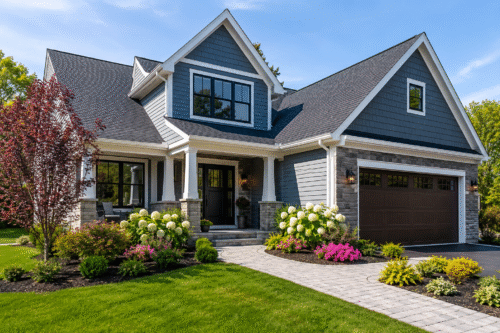
If your roof is aging, your siding is fading, your windows feel drafty or your gutters overflow every time it rains, the question becomes: should you replace one item now, or plan a larger exterior remodel?
This Connecticut exterior remodeling checklist explains when it makes sense to replace roofing, siding, windows, doors and gutters together, what signs to look for, and how to prioritize your project so you do not pay twice for overlapping work.
Quick Answer: What Should Connecticut Homeowners Replace First?
In most cases, Connecticut homeowners should prioritize exterior remodeling in this order: roof first, then gutters and water management, then windows and doors, then siding. However, if multiple systems are already failing, combining the work can create a cleaner installation, better weather protection and a more finished exterior appearance.
A full exterior remodel may be worth considering if your roof is near the end of its life, your siding is cracked or warped, your windows are drafty, your doors are inefficient, and your gutters are not moving water away from the home properly.
Why Exterior Remodeling Matters in Connecticut
Exterior remodeling is especially important in Connecticut because homes here deal with moisture, seasonal expansion and contraction, winter ice, summer humidity and strong storms. A small issue on the outside of the home can become a larger problem if water gets behind siding, under shingles, around window frames or near the foundation.
For example, an old roof can allow water intrusion that damages insulation and ceilings. Poor gutters can send water toward the foundation. Drafty windows can make heating and cooling systems work harder. Damaged siding can allow moisture behind the wall system. A poorly sealed entry door can create air leaks, rot and comfort issues near the front of the home.
When these systems are evaluated together, homeowners can make better decisions. Instead of replacing one product at a time without considering how it connects to the rest of the exterior, a full exterior plan helps protect the home as one system.
When It Makes Sense to Replace Roofing, Siding, Windows, Doors and Gutters Together
You do not always need to remodel the entire exterior at once. However, there are several situations where combining projects can be the smarter move.
1. Your Home Has Several Aging Exterior Features
If the roof, siding, windows, doors and gutters are all showing signs of age, replacing one item may only solve part of the problem. A newer roof on a home with failing siding and leaky gutters may still leave the property vulnerable to moisture issues. New siding installed around old drafty windows may create extra work later if the windows need to be replaced shortly after.
2. You Want a Cleaner Finished Look
Exterior remodeling is not only functional. It also changes how the home looks from the street. Coordinating the roof color, siding profile, trim, window style, entry door and garage door can create a more polished result than replacing each item years apart with mismatched materials.
3. You Want to Avoid Rework
Some exterior projects overlap. Siding meets window trim. Gutters connect to roof edges and fascia. Doors tie into siding, trim and flashing details. When these projects are planned together, the installation sequence can be cleaner and more efficient.
4. You Are Preparing to Sell or Stay Long-Term
If you are preparing to sell, a refreshed exterior can improve first impressions. If you are staying long-term, exterior upgrades can improve comfort, protection and confidence in your home. Either way, a coordinated exterior remodel can be a strategic investment.
Roof Replacement Checklist for Connecticut Homes
The roof should usually be evaluated first because it is one of the home’s most important protective systems. If the roof is failing, other exterior upgrades may not matter as much until the home is properly protected from above.
Signs Your Roof May Need Replacement
- Shingles are curling, cracking, missing or losing granules
- There are dark streaks, moss growth or visible wear across large areas
- You see water stains on ceilings or attic decking
- Flashing around chimneys, skylights or roof transitions is failing
- The roof looks uneven, sagging or soft in certain areas
- Ice dam damage has occurred during Connecticut winters
- Your roof is near or past its expected service life
Why Roof Timing Matters
If you are also replacing siding or gutters, the roof should often be handled before or during those projects. Roof edges, flashing, fascia, soffits and gutter attachment points all affect how water moves off the home. Replacing the roof first helps ensure that the rest of the exterior work is built around a solid water-shedding system.
SEO Tip for Homeowners: If you are comparing contractors, search for a Connecticut roofing contractor that understands not just shingles, but also gutters, siding transitions, flashing and ventilation.
Siding Replacement Checklist for Connecticut Homes
Siding protects the walls of the home while also creating much of the home’s curb appeal. In Connecticut, siding must handle moisture, temperature swings, wind and seasonal weather exposure.
Signs Your Siding May Need Replacement
- Siding is cracked, warped, loose or missing in sections
- Paint is peeling repeatedly despite maintenance
- There are soft spots, rot or moisture stains around trim
- You notice mold, mildew or algae growth that keeps returning
- Interior rooms feel drafty near exterior walls
- Utility bills are rising because the home is not well sealed
- The home looks dated compared to nearby properties
Vinyl Siding vs. Fiber Cement Siding
Many Connecticut homeowners compare vinyl siding and fiber cement siding when planning an exterior remodel. Vinyl siding can be a cost-effective, low-maintenance option with many color and profile choices. Fiber cement siding, including James Hardie-style products, is often chosen for durability, a more architectural appearance and strong curb appeal.
The best siding choice depends on your budget, home style, maintenance preferences and how long you plan to stay in the home.
Why Siding and Windows Are Often Planned Together
Siding replacement is a good time to evaluate windows and exterior doors because all three meet at the wall system. If windows are old or drafty, replacing them before or during siding installation can help avoid removing or disturbing newer siding later.
Window and Door Replacement Checklist
Windows and doors play a major role in comfort, efficiency, security and exterior appearance. In Connecticut, drafty windows and poorly sealed doors are especially noticeable during cold winters and humid summers.
Signs You May Need New Windows
- You feel drafts near windows
- Windows are hard to open, close or lock
- There is condensation between glass panes
- Exterior trim is soft, damaged or rotting
- Rooms are uncomfortable even when the HVAC system is running
- Outside noise is more noticeable than it should be
- Your windows look outdated or do not match the rest of the exterior
Signs You May Need New Exterior Doors
- The door sticks, drags or does not close properly
- You can see light around the door edges
- Weatherstripping is worn or missing
- The door slab is dented, cracked, warped or rusting
- The entryway feels cold in winter or hot in summer
- The style no longer matches the home’s exterior
Why Windows and Doors Affect Exterior Remodeling Results
New siding can improve the look of a home, but old windows and doors can hold back the finished appearance. When windows, doors and siding are coordinated, the home looks more complete. It can also improve sealing and reduce weak points where air and moisture enter the home.
Gutter Replacement Checklist
Gutters are often overlooked until there is a problem. In Connecticut, where heavy rain, snow melt and ice are common, gutters are essential for moving water away from the roofline, siding and foundation.
Signs Your Gutters May Need Replacement
- Gutters overflow during moderate rain
- Sections are sagging, pulling away or separating
- Downspouts discharge water too close to the foundation
- You see water stains on siding or fascia
- There is soil erosion near the foundation
- Basement moisture appears after heavy rain
- Gutters are dented, rusted or frequently clogged
Why Gutters Should Be Part of the Exterior Plan
Replacing a roof without evaluating gutters can leave part of the water management system unresolved. New gutters may be especially important if your current system is undersized, poorly pitched or not directing water far enough away from the home.
The Best Order for Exterior Remodeling Projects in Connecticut
Every home is different, but many exterior remodeling projects follow a logical sequence.
Step 1: Inspect the Roof and Water Intrusion Points
Start with the roof, flashing, attic, chimney areas and any signs of leaks. If the roof is failing, it should usually move to the top of the priority list.
Step 2: Evaluate Gutters, Fascia and Drainage
Water needs to move off the roof and away from the home. If gutters are not working properly, they can damage siding, trim, landscaping and foundations.
Step 3: Review Windows and Doors
Check for drafts, condensation, operation issues, rot and worn weatherstripping. If windows and doors are near the end of their life, plan them before siding whenever possible.
Step 4: Replace or Upgrade Siding
Once openings and water management details are addressed, siding can create the final protective layer and finished look for the home.
Step 5: Finish With Trim, Accents and Exterior Details
Shutters, trim, entry details, garage doors, lighting and color coordination help complete the transformation.
Connecticut Homeowner Tip
If you are planning to replace siding within the next few years, ask your contractor whether it makes sense to replace windows and doors first. This can help reduce the risk of disturbing newer siding later and can create a cleaner finished installation.
What Impacts the Cost of an Exterior Remodel in Connecticut?
Exterior remodeling costs vary based on the size of the home, material choices, condition of the existing structure and complexity of the installation. Instead of focusing only on the lowest price, Connecticut homeowners should look at the full scope of work and the long-term value of the project.
Major Cost Factors Include:
- Home size: Larger homes require more roofing, siding, windows, trim and labor.
- Material selection: Architectural shingles, premium siding, energy-efficient windows and upgraded doors affect total cost.
- Existing damage: Rot, water damage, poor flashing or structural repairs can add to the project scope.
- Design complexity: Dormers, multiple rooflines, bay windows, gables and custom trim require more detail work.
- Energy-efficiency goals: Better insulation, window performance and air sealing may increase upfront cost but improve comfort.
- Project sequencing: Combining related projects may reduce disruption and create a more cohesive result.
The best way to understand your project cost is to schedule an on-site evaluation. A contractor can inspect the home, identify priority areas and recommend whether to phase the project or complete multiple upgrades together.
Should You Remodel the Exterior All at Once or in Phases?
There is no single answer for every Connecticut homeowner. Some projects should be completed immediately because there is active water damage, roof failure or safety concern. Other upgrades can be planned in phases based on budget and priority.
A Full Exterior Remodel May Make Sense If:
- You want to dramatically improve curb appeal
- Multiple exterior systems are aging at the same time
- You want a coordinated roof, siding, window and door design
- You are trying to reduce drafts and improve comfort
- You want to address water management issues before they get worse
- You are preparing the home for long-term ownership or resale
A Phased Exterior Remodel May Make Sense If:
- Your roof is newer but siding or windows need attention
- Your budget requires spreading projects over time
- Only one exterior system is currently failing
- You want to prioritize urgent repairs first and cosmetic upgrades later
A good contractor should help you prioritize based on condition, risk and budget—not pressure you into replacing everything at once if it is not necessary.
Exterior Remodeling Mistakes to Avoid
Replacing Siding Before Old Windows
If your windows are already failing, replacing siding first may lead to extra work later. Window replacement can affect trim, flashing and siding details.
Ignoring Gutters During Roof Replacement
A new roof still needs a proper drainage system. Old or undersized gutters can allow water to damage fascia, siding and foundations.
Choosing Materials Only by Price
The cheapest option is not always the best long-term value. Look at durability, maintenance, warranty, energy performance and installation quality.
Forgetting About Ventilation and Moisture
Exterior remodeling should account for airflow, attic ventilation, flashing and moisture control. Cosmetic upgrades alone will not solve deeper performance issues.
Hiring Separate Contractors Without a Plan
When roofing, siding, windows, doors and gutters are handled by different contractors with no coordination, details can be missed. A unified plan helps ensure each system works together.
Helpful Superior Remodelers Resources
Planning your exterior remodel? These Superior Remodelers pages can help you compare options and choose the right next step for your Connecticut home.
Ready to Plan Your Connecticut Exterior Remodel?
Whether you need a new roof, siding, windows, doors, gutters, garage doors or a larger remodeling plan, Superior Remodelers can help you evaluate your home and choose the right project sequence.
Frequently Asked Questions About Exterior Remodeling in Connecticut
Should I replace my roof or siding first?
In most cases, the roof should be evaluated first because it protects the home from above. If the roof is old or leaking, it usually makes sense to address it before siding. However, if both systems are failing, replacing them as part of the same exterior remodel can create a better finished result.
Should windows be replaced before siding?
Yes, if your windows are old, drafty or failing, it often makes sense to replace them before or during siding installation. This helps avoid disturbing new siding later and allows for cleaner trim and flashing details.
Are gutters included in an exterior remodel?
Gutters should be part of the exterior remodeling conversation because they control how water moves away from the roof, siding and foundation. If your gutters are sagging, leaking, overflowing or poorly pitched, replacement may be recommended.
What exterior upgrades improve curb appeal the most?
Siding, windows, entry doors, garage doors and roofing all have a major impact on curb appeal. For many Connecticut homes, the biggest visual transformation comes from coordinating siding color, window trim, front door style, garage door design and roof color.
Can exterior remodeling improve energy efficiency?
Yes. New windows, properly installed doors, improved siding systems, air sealing and better insulation details can help reduce drafts and improve comfort. Energy efficiency depends on both product quality and installation quality.
How do I know if I need a full exterior remodel?
You may need a full exterior remodel if multiple systems are aging at the same time, including your roof, siding, windows, doors and gutters. A contractor can inspect your home and help you decide whether to phase the work or complete several upgrades together.
What is the best season for exterior remodeling in Connecticut?
Spring, summer and fall are popular seasons for exterior remodeling in Connecticut, but some projects can be completed during colder months depending on weather, materials and project type. The best time to start planning is before the exterior issue becomes urgent.
