
August 28, 2026
Modern Board and Batten Siding with James Hardie
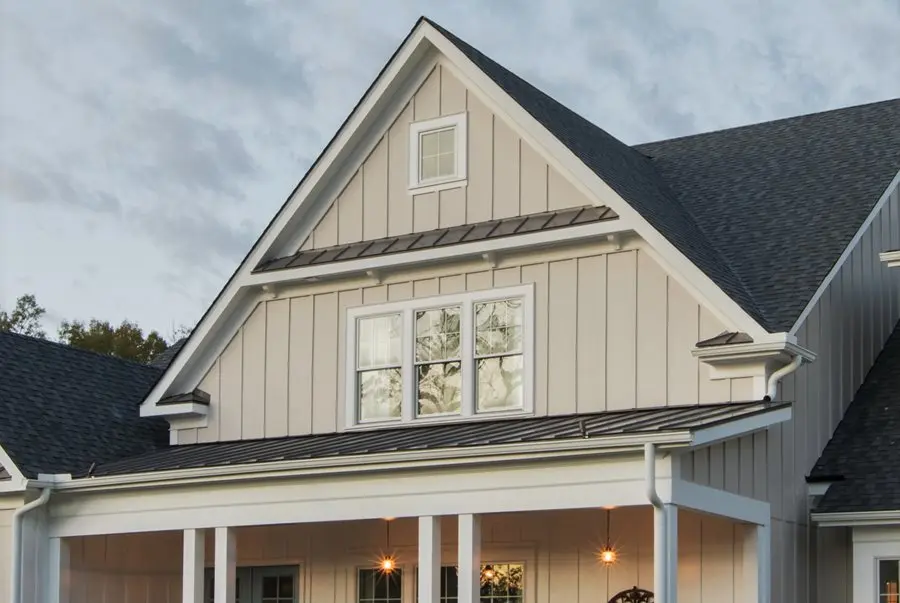
Looking for Hardie board siding in Connecticut with a distinctive architectural look?
James Hardie board and batten siding combines the durability of fiber cement with the clean vertical lines of one of today's most popular exterior siding styles.
The design uses Hardie Panel vertical siding together with Hardie Trim Batten Boards to create the classic board-and-batten appearance. James Hardie specifically describes this combination as a way to achieve the modern farmhouse or Tudor look.
Superior Remodelers installs and replaces siding for homeowners throughout Hartford, Stamford, Newtown, Norwalk, Greenwich, Fairfield, Danbury, and surrounding Connecticut communities.
Thinking about a Hardie board and batten exterior? Request a free siding estimate
What Is Hardie Board and Batten Siding?
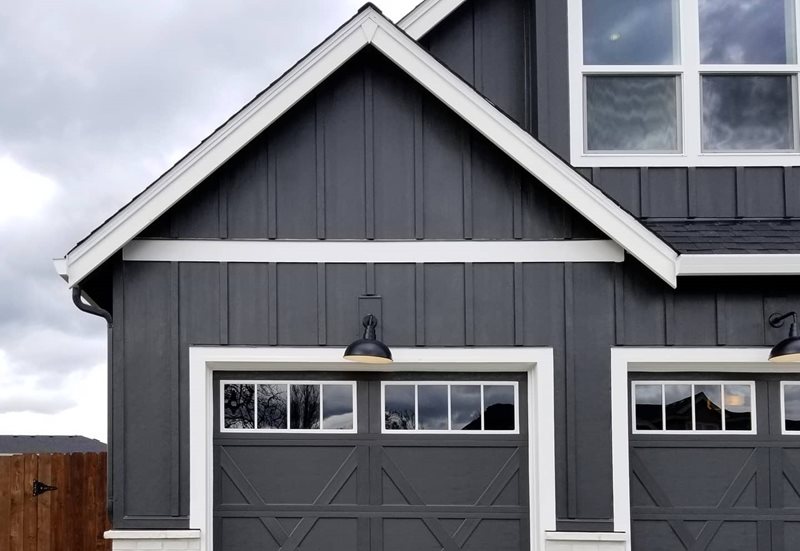
Hardie board and batten siding is a vertical siding design made using James Hardie's fiber cement panel siding and trim.
Unlike traditional horizontal lap siding, board and batten creates a series of vertical lines across the exterior.
The basic concept is:
Hardie Panel → vertical siding → Hardie Trim Batten Boards → board-and-batten appearance
This gives the exterior a taller, more dimensional appearance while creating strong architectural lines.
The style works particularly well with modern farmhouse, transitional, Colonial, Tudor, and contemporary home designs.
Why Is Board and Batten Siding So Popular in Connecticut?
Board and batten has become increasingly popular because it can completely change the appearance of a house without requiring an overly complicated architectural renovation.
For Connecticut homes, it can be especially effective because many properties already feature architectural details that work well with vertical siding.
You can use board and batten to emphasize:
✓⃝ A steep roofline
✓⃝ A front-facing gable
✓⃝ A covered porch
✓⃝ A garage
✓⃝ A second-floor addition
✓⃝ An entryway
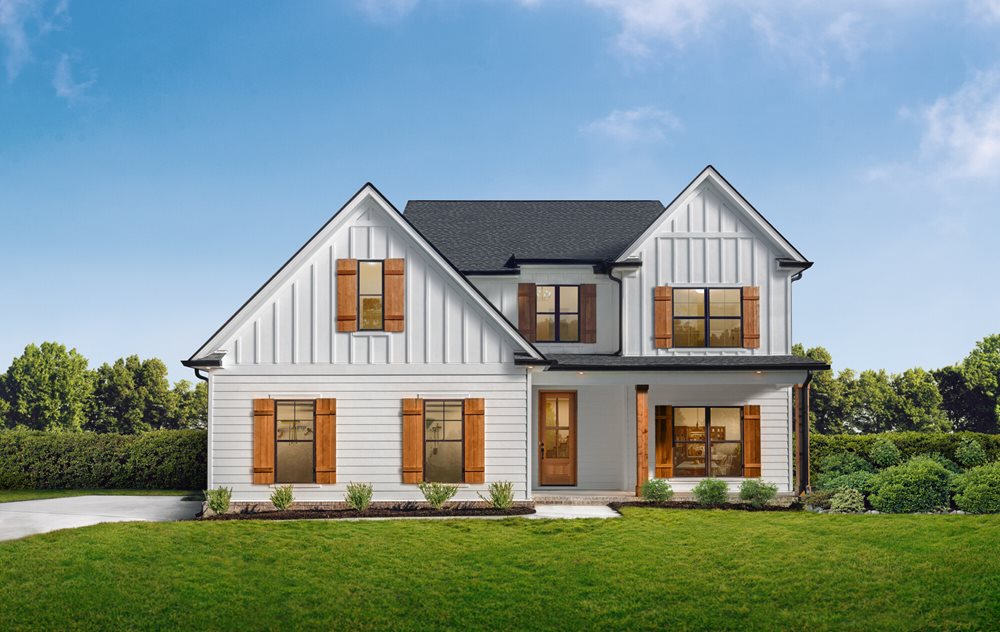
Instead of installing board and batten over the entire house, many homeowners use it as an accent siding combined with horizontal Hardie siding.
Hardie Board vs. Board and Batten: What's the Difference?
This is an important distinction when you're researching siding.
Hardie board refers to the siding material/product, while board and batten refers to the design or installation style.
| Term | What It Means |
| Hardie board | James Hardie fiber cement siding |
| Hardie Panel | Vertical fiber cement panel siding |
| Board and batten | A vertical siding design |
| Hardie Trim Batten Boards | Trim used with panels to create the board-and-batten look |
| Hardie board and batten | James Hardie fiber cement used in a board-and-batten design |
So when someone searches “Hardie board siding” and then “board and batten siding,” they may actually be researching the same project from two different angles.
Benefits of James Hardie Board and Batten Siding
1. Distinctive Curb Appeal
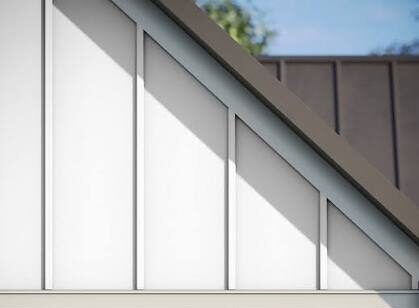
Board and batten gives your exterior strong vertical lines that can make a house look taller and more architectural.
It's particularly effective when combined with contrasting trim around windows, doors, and rooflines.
2. Durable Fiber Cement
James Hardie states that its siding is designed to resist moisture damage and pests and is noncombustible under the applicable test standard. Its products are also formulated for regional climate conditions.
That's particularly relevant in Connecticut, where exterior siding must deal with:
- Snow
- Ice
- Rain
- Humidity
- Freeze-thaw cycles
- Summer heat
- UV exposure
- Seasonal temperature changes
3. Low-Maintenance Exterior
Unlike traditional wood board and batten, fiber cement doesn't require the same routine maintenance associated with exposed wood.
James Hardie's ColorPlus Technology is a factory-applied finish designed for color consistency and durability.
4. Multiple Design Options
Hardie Panel comes in different textures, including options such as Smooth, Select Cedarmill, Stucco, and Sierra 8, depending on product availability.
That allows homeowners to create anything from a clean contemporary exterior to a more traditional farmhouse appearance.
Board and Batten Siding Ideas for Connecticut Homes
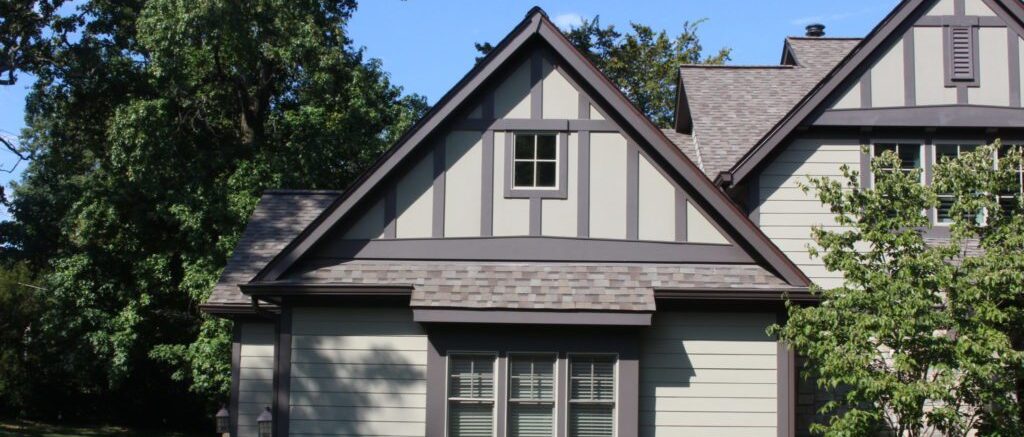
You don't have to cover the entire house in vertical siding.
Here are some of the most effective ways to use Hardie board and batten siding.
Full-House Board and Batten
For a modern farmhouse or contemporary home, board and batten can be installed across the entire exterior.
This creates a clean, consistent appearance.
Board and Batten + Horizontal Siding
One of the most popular combinations is:
Horizontal Hardie siding on the main walls + board and batten on the gables.
This works particularly well on Connecticut Colonials and modern farmhouses.
Board and Batten Gable
Installing vertical siding only inside the front gable can make the roofline stand out.
It's also an effective way to update the exterior without changing the entire siding layout.
Board and Batten Around the Entry
Vertical siding around the front door can create a strong focal point and visually emphasize the entrance.
Board and Batten on a Garage
Using vertical siding on the garage while keeping horizontal siding on the house creates a subtle architectural contrast.
Best Board and Batten Color Ideas for 2026
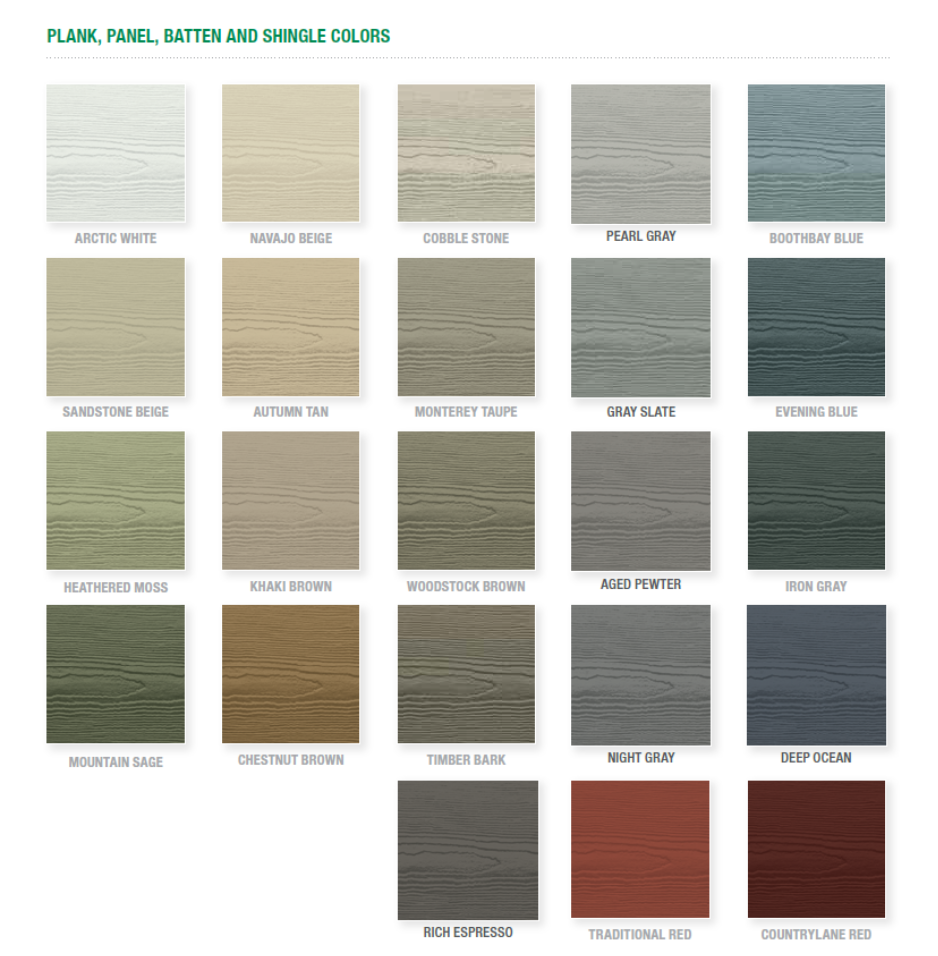
Color can completely change the appearance of board and batten siding.
Popular combinations include:
| Style | Main Siding | Trim |
| Modern Farmhouse | White | Black |
| Contemporary | Charcoal / Gray | Black |
| Classic Colonial | Light Gray | White |
| Coastal Connecticut | Soft Blue | White |
| Traditional | Cream / Beige | White |
| Modern | Deep Gray | Matching |
| High Contrast | Dark Siding | White |
James Hardie's ColorPlus Technology offers a range of factory-applied colors, and its current 2026 Color of the Year is Iron Gray.
For Connecticut homes, the best color should also take into account the home's roof, stonework, brick, windows, doors, and surrounding landscape.
Hardie Board and Batten vs. Vinyl Board and Batten
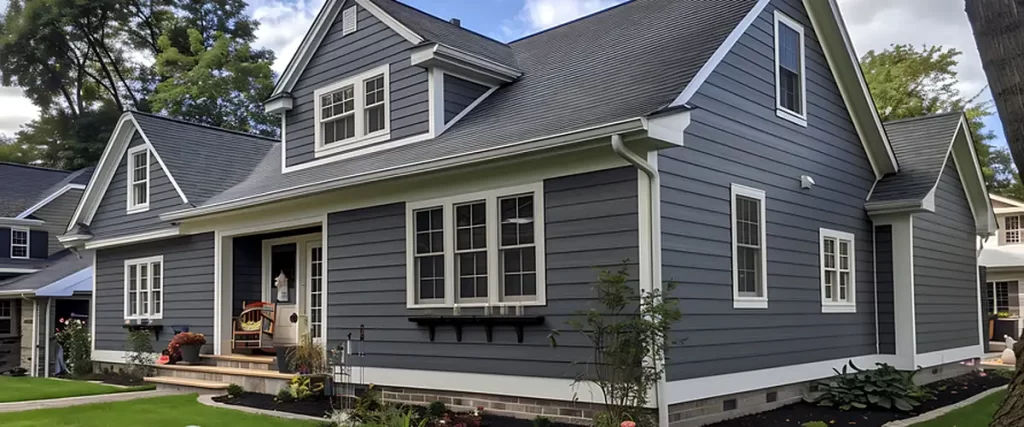
If you're considering board and batten siding in Connecticut, you may be deciding between fiber cement and vinyl.
| Feature | James Hardie Fiber Cement | Vinyl |
| Appearance | Premium, architectural | Versatile |
| Vertical Design | Excellent | Available |
| Durability | Excellent | Good |
| Maintenance | Low | Very Low |
| Wood-Look Appearance | Excellent | Good |
| Color Options | Extensive | Extensive |
| Initial Investment | Higher | Lower |
| Best For | Premium exterior renovations | Budget-conscious projects |
Vinyl can be a good choice when keeping installation costs lower is the priority.
James Hardie board and batten is often more attractive to homeowners who prioritize the look, substantial feel, and long-term exterior performance of fiber cement.
Hardie Board and Batten vs. Traditional Wood
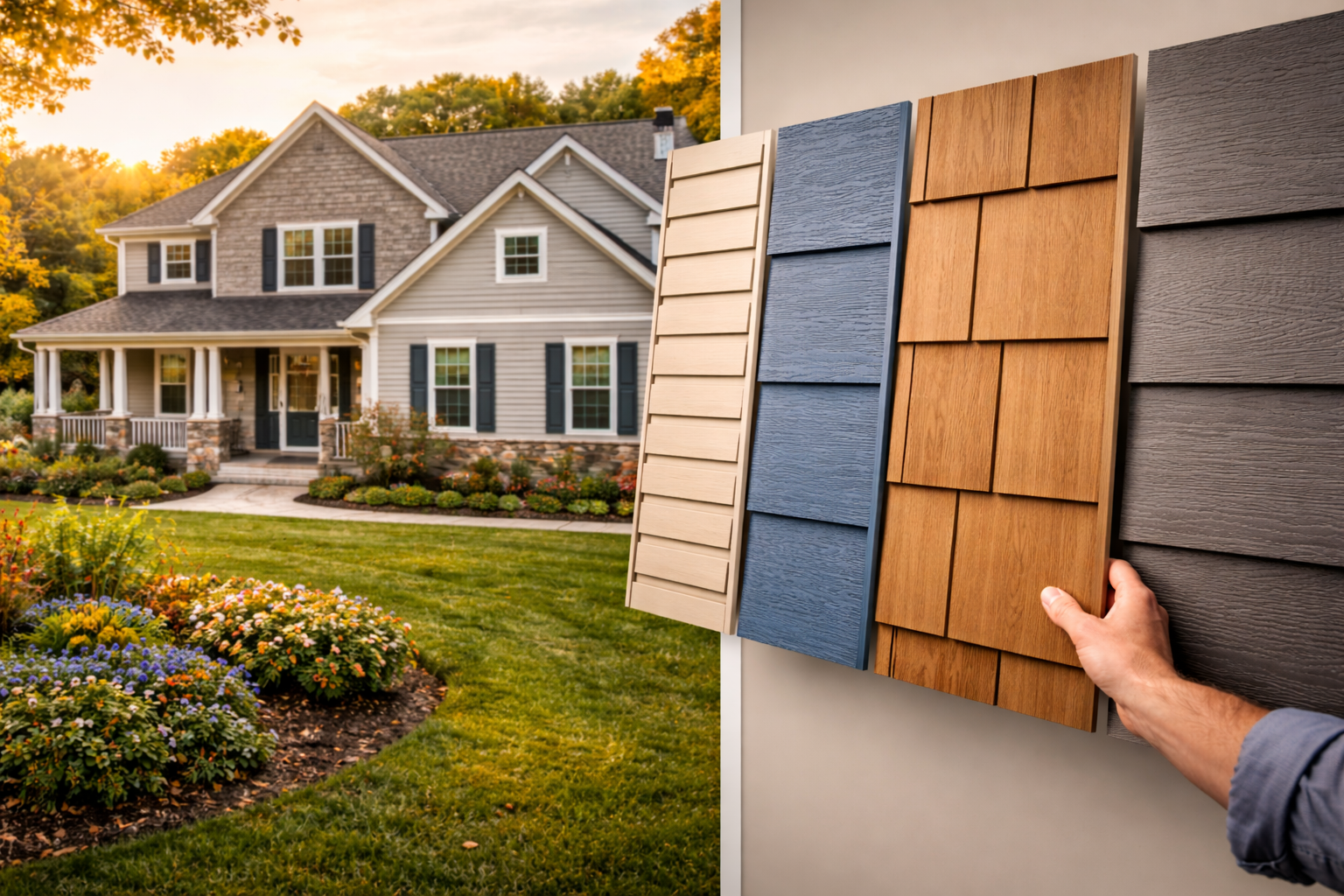
Traditional wood board and batten has a beautiful natural appearance, but it requires more ongoing maintenance.
| Feature | Hardie Fiber Cement | Natural Wood |
| Appearance | Wood-inspired | Authentic wood |
| Rot Resistance | High | Requires maintenance |
| Insect Resistance | High | Requires maintenance |
| Painting | Less frequent maintenance | Regular maintenance |
| Moisture Concerns | Lower | Higher |
| Maintenance | Low–Moderate | High |
| Design Flexibility | High | High |
For a Connecticut homeowner who loves the appearance of traditional board and batten but doesn't want the same level of maintenance, fiber cement can be a compelling alternative.
How Much Does Hardie Board and Batten Siding Cost in Connecticut?
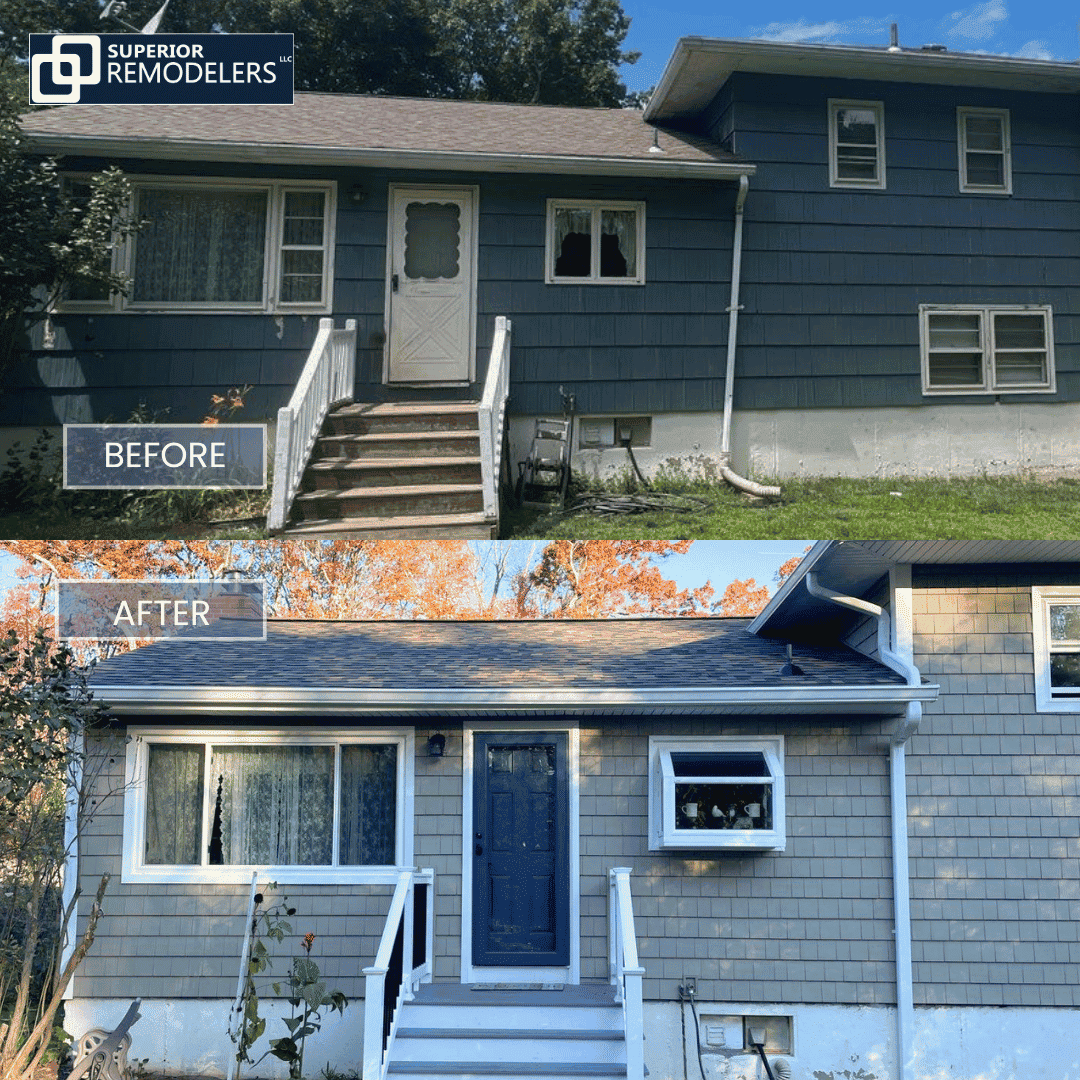
The cost of Hardie board and batten siding depends on the size and complexity of the house.
As a general planning range, fiber cement siding projects in Connecticut can cost tens of thousands of dollars, with the final price determined by the actual wall area, number of stories, siding layout, trim, removal, and condition of the existing exterior.
Board and batten can cost more than a simple lap-siding installation because the project may involve:
- Additional trim
- More detailed layout
- Custom cuts
- Architectural transitions
- More complex installation
- Additional finishing around windows and doors
For reference, current national estimates for board-and-batten projects commonly fall in the $8,500–$27,300 range, while the actual cost of a Connecticut project can be significantly different depending on house size and scope.
James Hardie's own board-and-batten guide has also cited approximately $21,000–$27,800 for a 2,000-square-foot house, although actual prices vary considerably by location, material, labor, and project specifications.
What Determines Your Final Price?
Your Hardie siding cost in Connecticut may depend on:
- House size
- Number of stories
- Existing siding removal
- Sheathing condition
- House wrap/weather barrier
- Window and door openings
- Trim package
- Gables and dormers
- Board-and-batten coverage
- Color and finish
- Accessibility
- Labor
- Exterior repairs
That's why an on-site estimate is much more useful than a generic siding calculator.
Is Hardie Board and Batten Good for Connecticut Weather?
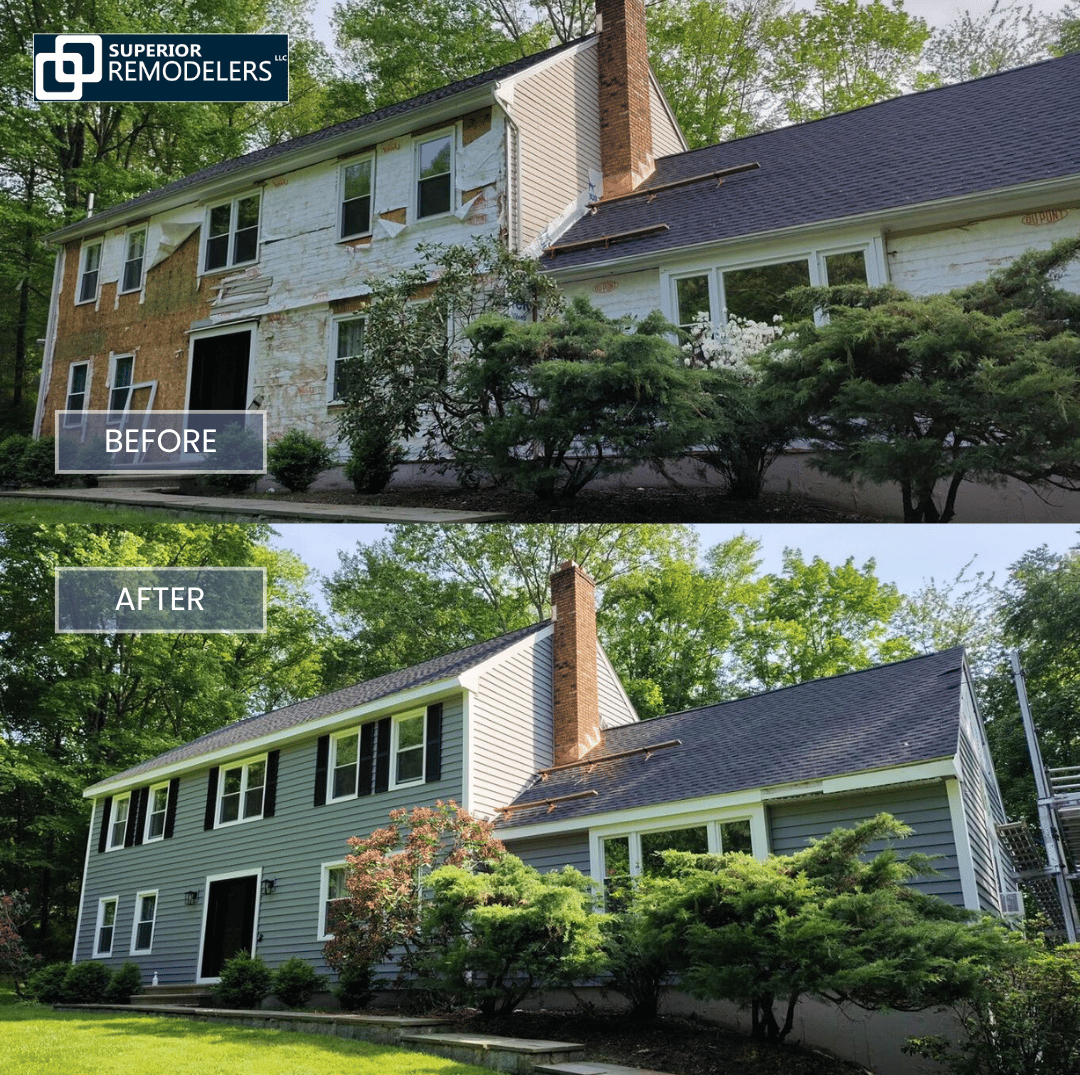
Connecticut's climate makes exterior material selection particularly important.
Hardie states that its fiber cement siding is “Engineered for Climate” and designed to help protect against weather extremes, including winter storms.
That makes fiber cement worth considering for homeowners dealing with the seasonal conditions found throughout Connecticut.
However, installation matters just as much as the material.
A siding system needs appropriate:
- Flashing
- Weather barrier
- Clearances
- Fastening
- Joints
- Trim
- Water management
James Hardie provides detailed installation requirements for its products, which is one reason professional installation is important.
Board and Batten Siding for Older Connecticut Homes
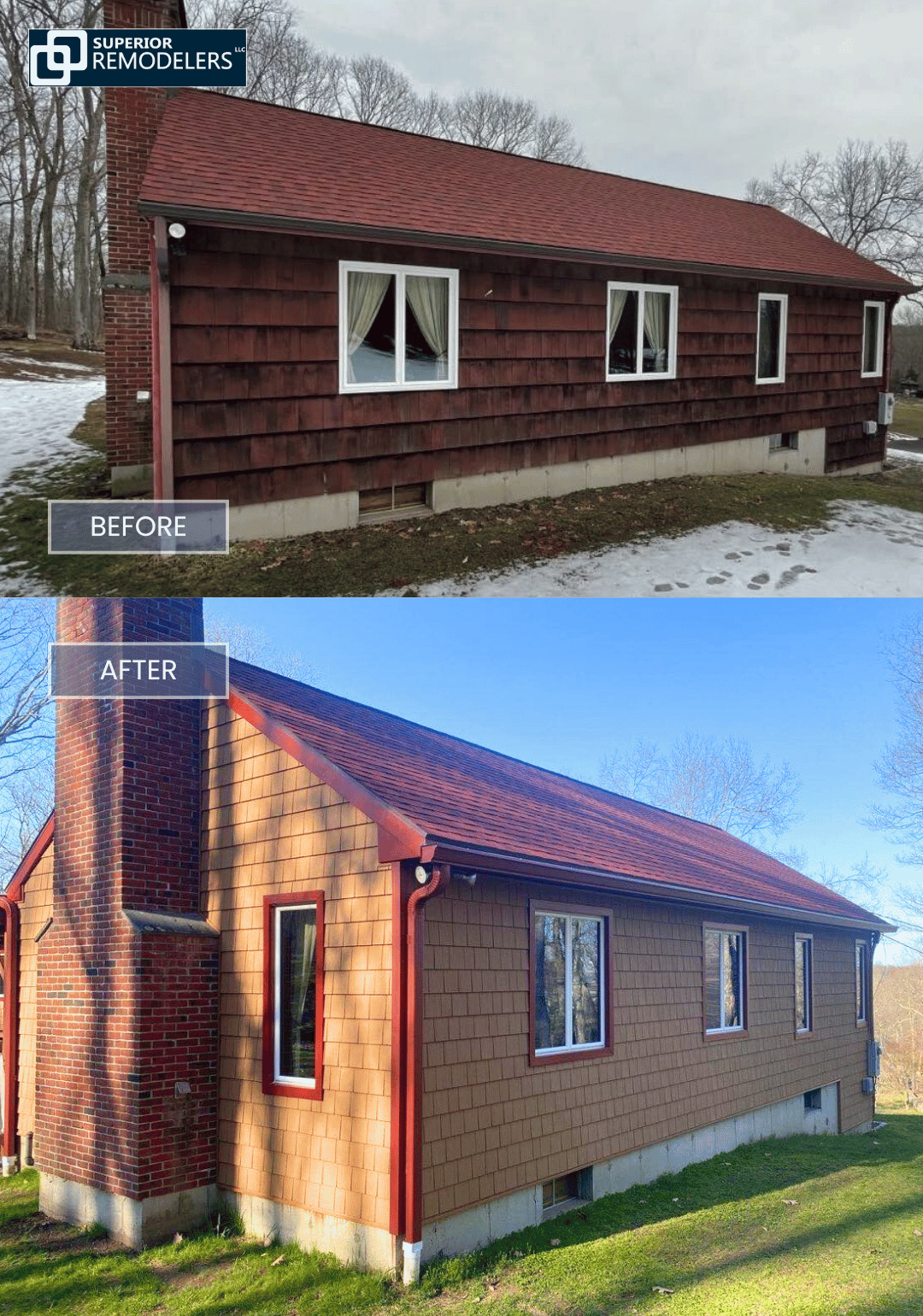
Connecticut has many older Colonial, Cape Cod, Victorian, and Tudor-style homes.
If you're replacing siding on an older house in Greenwich, Stamford, Fairfield, Westport, New Haven, or Hartford, the exterior may have more architectural detail than a newer home.
Before installing new siding, it's important to inspect the existing exterior for:
- Wood rot
- Moisture damage
- Deteriorated sheathing
- Improper flashing
- Damaged trim
- Previous siding issues
New siding should not simply cover an unresolved moisture problem.
A professional siding contractor can identify these conditions before installation begins.
Why Choose Superior Remodelers for Hardie Siding?
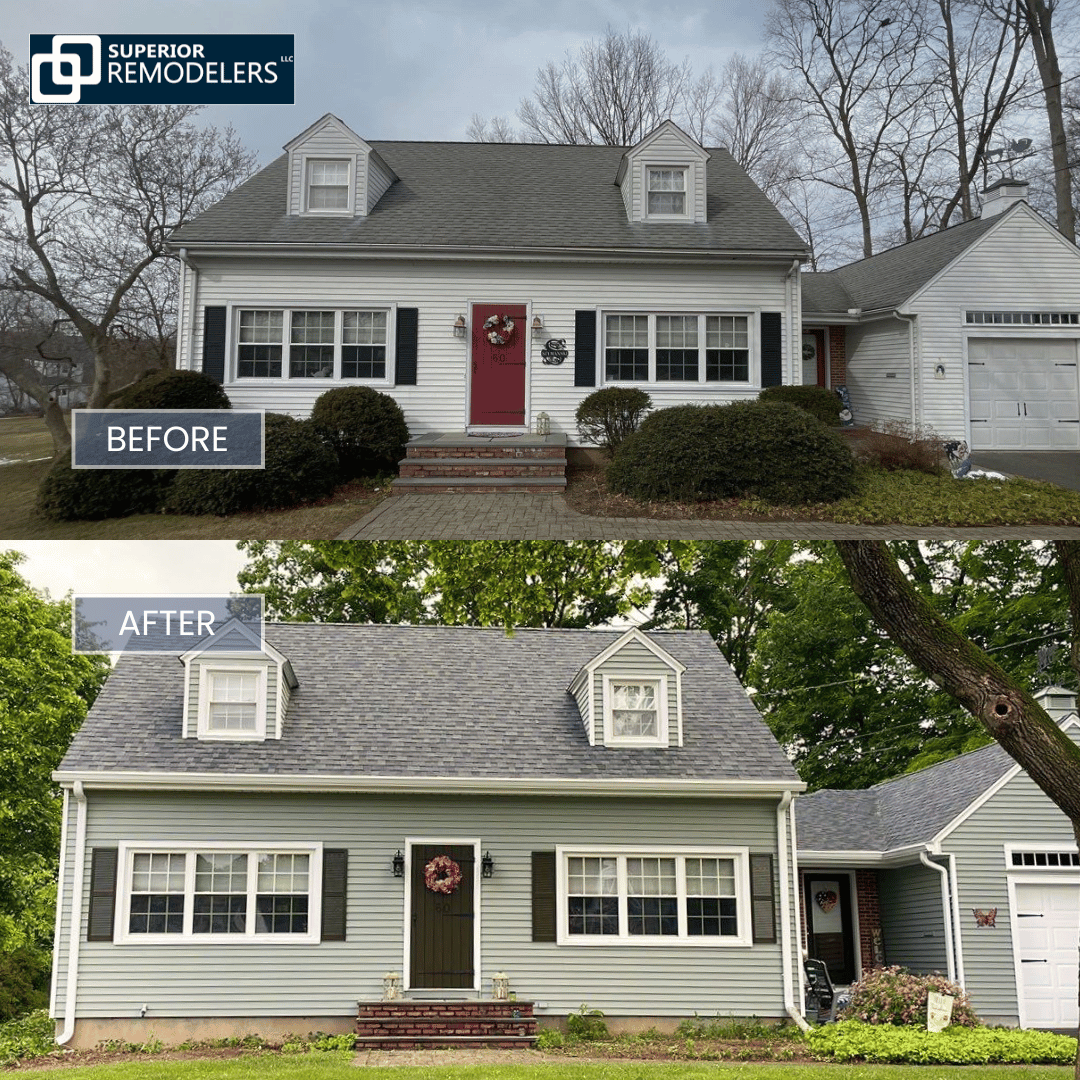
Choosing the right siding product is only part of the project.
Proper installation is essential to achieving the appearance and performance you expect from fiber cement siding.
Superior Remodelers helps Connecticut homeowners with:
- James Hardie siding installation
- Hardie board siding
- Board and batten siding
- Fiber cement siding
- Siding replacement
- Exterior remodeling
- Siding and trim
- Gable siding
- Whole-house siding projects
We serve homeowners throughout Stamford, Greenwich, Norwalk, Fairfield, Westport, Danbury, Bridgeport, New Haven, Hartford, West Hartford, and nearby Connecticut communities.
Frequently Asked Questions
❔ What is Hardie board and batten siding?
💬 Hardie board and batten siding is a vertical fiber cement siding design created using Hardie Panel vertical siding and Hardie Trim Batten Boards. James Hardie specifically recommends this combination for achieving a board-and-batten look.
❔ Is Hardie board the same as board and batten?
💬 No. Hardie board refers to the siding material/product, while board and batten describes the vertical siding design. James Hardie products can be used to create a board-and-batten exterior.
❔ Is board and batten siding expensive?
💬 Board and batten can cost more than basic siding installations because of additional trim, layout, cuts, and installation details. The final cost depends heavily on the size and complexity of the home.
❔ Is Hardie board good for Connecticut?
💬 Fiber cement can be a strong option for Connecticut homes because James Hardie designs its products for regional climate conditions and states that its siding is engineered to withstand weather extremes.
❔ Can you install board and batten over the whole house?
💬 Yes. Board and batten can cover the entire exterior or be used selectively on gables, entryways, garages, dormers, and other architectural areas.
❔Can Hardie board and batten be combined with horizontal siding?
💬 Yes. Combining vertical board and batten with horizontal Hardie siding is a popular way to create architectural contrast.
❔ What is the difference between Hardie Panel and Hardie Plank?
💬 Hardie Panel is a vertical panel siding product, while Hardie Plank is used for horizontal lap siding. Hardie Panel is the product commonly used when creating a board-and-batten configuration.
❔ How long does James Hardie siding last?
💬 James Hardie currently lists a 30-year non-prorated limited, transferable substrate warranty for Hardie Panel products. Warranty terms and coverage should always be confirmed for the specific product and installation.
What your neighbors are saying
