
Siding does more than make your home look clean and updated. In Connecticut, it protects against winter moisture, coastal humidity, wind-driven rain, summer heat, pests, and long-term structural damage. If your siding is cracked, warped, faded, loose, or no longer keeping your home comfortable, replacement may be one of the smartest exterior upgrades you can make.
All Posts
May 4, 2026
Siding Replacement in Connecticut: Signs, Costs, Materials & Best Options for CT Homes
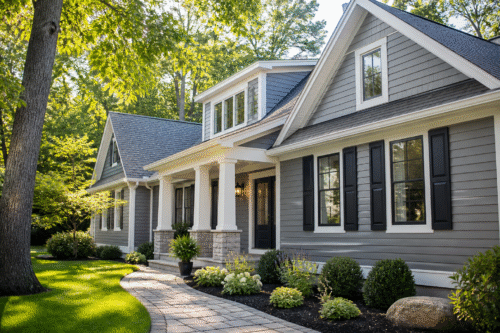
This guide explains when Connecticut homeowners should replace siding, what siding replacement typically costs, which materials perform best in New England weather, and how to plan the project the right way.
Thinking About New Siding for Your Connecticut Home?
Superior Remodelers provides professional siding, roofing, window, door, and exterior remodeling services throughout Connecticut. Request a free estimate to compare siding options, understand pricing, and choose the right upgrade for your home.
Quick Answer: When Should You Replace Siding in Connecticut?
You should consider replacing your siding if it has widespread cracking, warping, rot, moisture damage, loose panels, mold growth, faded color, pest damage, or rising heating and cooling costs. In Connecticut, siding also needs to hold up against freeze-thaw cycles, snow, ice, humidity, heavy rain, and strong seasonal temperature swings.
If damage is isolated to one small area, repair may be enough. But if multiple walls are showing signs of age or water intrusion, full siding replacement is usually the better long-term investment.
Why Siding Matters So Much for Connecticut Homes
Connecticut homes face a wide range of weather conditions throughout the year. A home exterior may experience below-freezing winter temperatures, spring rain, humid summers, falling branches, coastal moisture, and repeated freeze-thaw expansion. Over time, those conditions can wear down siding, trim, insulation, flashing, and exterior seals.
High-quality siding helps create a protective shell around the home. When installed properly, it can help:
- Protect the structure from moisture intrusion
- Improve curb appeal and resale presentation
- Reduce drafts and exterior air leaks
- Limit ongoing scraping, painting, and repair needs
- Improve the appearance of older Connecticut homes
- Help support better year-round comfort
- Protect areas around windows, doors, corners, and trim
For many homeowners, siding replacement is also a chance to update the entire exterior at once. Pairing new siding with replacement windows, exterior doors, gutters, or roofing can create a cleaner, more complete transformation.
Signs Your Connecticut Home Needs New Siding
1. Cracked, Loose, or Missing Siding Panels
Small cracks may seem minor, but they can allow moisture to get behind the siding. In Connecticut winters, trapped moisture can freeze, expand, and make damage worse. If you see several cracked or loose panels, the siding system may be nearing the end of its useful life.
2. Warping or Buckling
Warped siding may indicate heat damage, poor installation, moisture behind the panels, or age-related movement. Once siding begins to buckle, it may no longer sit properly against the home, which can create pathways for water and pests.
3. Rot or Soft Spots
Wood siding and older trim are especially vulnerable to rot in shaded or damp areas. If siding feels soft when pressed, or if paint bubbles and peels repeatedly, moisture may already be affecting the material underneath.
4. Mold, Mildew, or Algae Growth
Some surface growth is common in shaded Connecticut areas, especially on the north side of a home. However, recurring mold or mildew near seams, corners, or lower siding sections may point to drainage or moisture issues that should be inspected.
5. Interior Drafts or Higher Energy Bills
Siding is not the only factor in energy efficiency, but damaged siding, failed weather barriers, gaps around trim, and poor exterior sealing can contribute to drafts. If your home feels colder near exterior walls, siding replacement with proper underlayment may help improve comfort.
6. Faded, Chalky, or Outdated Appearance
Fading does not always mean siding is failing, but it can make a home look older than it is. If the color has become uneven or chalky, new siding can dramatically improve curb appeal.
7. Frequent Repairs or Repainting
If you are repeatedly painting, patching, caulking, or replacing small sections, full replacement may be more cost-effective than continuing to chase repairs year after year.
Related Superior Remodelers Services
Planning a larger exterior project? These services pair well with siding replacement:
Siding Replacement vs. Siding Repair: Which Is Better?
The right choice depends on the age of the siding, the extent of the damage, and whether the problem is cosmetic or structural.
Siding Repair May Be Enough If:
- Damage is limited to one small area
- The siding is relatively new
- The underlying wall is dry and solid
- Matching replacement panels are available
- There are no signs of widespread moisture issues
Siding Replacement Is Usually Better If:
- Multiple sides of the home are damaged
- The siding is faded, brittle, warped, or loose
- There is recurring moisture or mold growth
- Repairs no longer match the existing color
- The home feels drafty around exterior walls
- You are planning to sell and want better curb appeal
- You want to replace windows, doors, gutters, or trim at the same time
For many Connecticut homeowners, replacement is the cleaner long-term solution when siding damage is visible across several elevations of the home.
How Much Does Siding Replacement Cost in Connecticut?
Siding replacement costs in Connecticut vary based on the size of the home, siding material, trim details, removal of old siding, wall condition, insulation upgrades, and installation complexity.
In general, homeowners should expect siding replacement to be priced based on several key factors:
- Home size: Larger homes require more material, labor, trim, and installation time.
- Siding material: Vinyl, insulated vinyl, fiber cement, composite, and engineered wood all have different price ranges.
- Old siding removal: Removing and disposing of existing siding adds labor and disposal costs.
- Wall condition: Hidden rot, damaged sheathing, or moisture problems can increase the scope.
- Trim and detail work: Corners, windows, doors, gables, dormers, and decorative trim affect pricing.
- Insulation and weather barrier: Upgraded underlayment can improve performance but adds to the project cost.
- Access and height: Multi-story homes, steep grades, and tight access areas can increase labor time.
The best way to get accurate siding pricing is to schedule an on-site estimate. A professional contractor can inspect the current siding, measure the home, check problem areas, and recommend the right material for your budget and goals.
Get a Custom Siding Estimate
Every Connecticut home is different. Superior Remodelers can inspect your siding, review material options, and provide a clear estimate based on your home’s size, condition, and design goals.
Best Siding Materials for Connecticut Homes
Connecticut homeowners need siding that can handle cold winters, wet springs, humid summers, and seasonal movement. The best material depends on budget, maintenance expectations, design preferences, and how long you plan to stay in the home.
Vinyl Siding
Vinyl siding remains one of the most popular options for Connecticut homes because it is affordable, low-maintenance, and available in many colors and profiles. It does not require painting and can deliver a major curb appeal upgrade at a practical price point.
Best for: Homeowners looking for a cost-effective, low-maintenance exterior refresh.
Insulated Vinyl Siding
Insulated vinyl siding includes a foam backing that can improve rigidity and help reduce thermal bridging. It may also make the siding look flatter and more substantial on the wall.
Best for: Homeowners who want the benefits of vinyl with improved comfort and a more solid appearance.
Fiber Cement Siding
Fiber cement siding is known for its durability, strong curb appeal, and resistance to many common exterior threats. It is often chosen by homeowners who want a more premium look and are willing to invest more upfront.
Best for: Homeowners who want a long-lasting, high-end siding appearance with strong weather resistance.
Engineered Wood or Composite Siding
Engineered wood and composite siding products offer the look of wood with improved durability compared to traditional wood siding. These materials can work well for homeowners who want character, texture, and design flexibility.
Best for: Homeowners who want a warmer, more natural-looking exterior without the same level of maintenance as traditional wood.
Traditional Wood Siding
Wood siding offers classic New England character, but it requires more maintenance than vinyl, fiber cement, or composite options. Connecticut homeowners choosing wood should be prepared for painting, staining, sealing, and ongoing upkeep.
Best for: Historic homes or homeowners who prioritize traditional appearance and are comfortable with maintenance.
What Siding Colors Work Best in Connecticut?
Color is one of the biggest decisions in a siding replacement project. In Connecticut, homeowners often choose colors that fit New England architecture, wooded lots, coastal homes, colonial properties, and suburban neighborhoods.
Popular siding color choices include:
- Warm white or off-white for a classic colonial look
- Light gray for a clean, modern exterior
- Charcoal or deep gray for contrast and curb appeal
- Soft blue for coastal or traditional homes
- Sage green for wooded Connecticut properties
- Beige, taupe, or clay for timeless neutral curb appeal
- Dark blue for a bold but still classic exterior
Trim color matters too. White trim can brighten the home, black trim can create a modern look, and softer neutral trim can make the exterior feel warmer and more traditional.
Should You Replace Windows Before or During Siding Replacement?
If your windows are old, drafty, damaged, or due for replacement soon, it often makes sense to coordinate window replacement with siding. This allows the contractor to properly address flashing, trim, sealing, and exterior finish details at the same time.
Replacing siding first and windows later can sometimes require sections of siding or trim to be disturbed again. If both projects are on your list, ask your contractor whether bundling the work will create a cleaner installation and reduce future disruption.
Does New Siding Improve Home Value?
New siding can improve perceived home value by making the exterior look newer, cleaner, and better maintained. For buyers, siding condition is often part of the first impression. A home with damaged, faded, or outdated siding may raise concerns about maintenance, moisture, and future repair costs.
For homeowners not planning to sell, new siding can still improve daily pride of ownership, reduce exterior upkeep, and help protect the structure from weather-related damage.
How Long Does Siding Replacement Take?
Most siding replacement projects take several days to a couple of weeks, depending on the size of the home, the material selected, weather, removal requirements, and any hidden repairs discovered during the project.
A straightforward vinyl siding replacement on a smaller home may move quickly. A larger home with multiple stories, gables, dormers, custom trim, old siding removal, or sheathing repairs will take longer.
What Happens During a Professional Siding Replacement Project?
1. Exterior Inspection
The contractor evaluates the existing siding, trim, windows, doors, flashing, corners, and problem areas.
2. Material Selection
You choose the siding material, color, profile, trim style, and any related upgrades such as insulation or new exterior doors.
3. Old Siding Removal
Existing siding may be removed so the contractor can inspect the underlying wall surface and prepare the home correctly.
4. Wall Preparation
Any damaged sheathing, moisture issues, or trim problems should be addressed before new siding is installed.
5. Weather Barrier and Flashing
A properly installed weather barrier and flashing details help prevent water from getting behind the siding system.
6. New Siding Installation
The new siding is installed according to product specifications, with attention to seams, corners, openings, and expansion requirements.
7. Trim, Cleanup, and Final Review
The project is finished with trim details, cleanup, and a final walkthrough to review the completed exterior.
Common Siding Replacement Mistakes to Avoid
Choosing Based on Price Alone
The lowest bid is not always the best value. Poor installation can lead to water issues, uneven siding, loose panels, and expensive future repairs.
Ignoring Underlying Damage
New siding should not be installed over hidden rot or moisture problems without addressing the cause. A proper inspection matters.
Not Coordinating with Windows and Doors
If windows or doors need replacement, coordinating the work can create a cleaner exterior finish.
Picking a Color Without Seeing Samples
Siding colors can look different in direct sunlight, shade, and cloudy weather. Always review samples in real exterior lighting.
Overlooking Trim Details
Trim, corners, fascia, soffits, and window surrounds can make or break the final appearance of the project.
Best Time of Year to Replace Siding in Connecticut
Siding can often be replaced during much of the year, but spring, summer, and fall are typically the most popular seasons. Connecticut homeowners often schedule siding replacement after winter damage becomes visible or before colder weather returns.
If your siding is actively leaking, loose, or allowing moisture intrusion, it is better to schedule an inspection promptly rather than waiting for the “perfect” season.
Local Considerations for Connecticut Siding Projects
Connecticut homes vary widely by town, age, style, and exposure. A siding project in a wooded Newtown neighborhood may have different needs than a coastal home in Fairfield County or a multi-story colonial in central Connecticut.
Important local factors include:
- Moisture exposure from shade, trees, or coastal air
- Snow and ice buildup near rooflines and lower walls
- Older framing and sheathing on historic or aging homes
- HOA or neighborhood exterior color expectations
- Energy efficiency concerns during cold winters
- Pairing siding with windows, roofing, gutters, or insulation
Helpful Connecticut Home Remodeling Resources
Continue planning your exterior or home remodeling project with these related resources:
Why Work with Superior Remodelers for Siding Replacement?
Superior Remodelers provides exterior remodeling services for Connecticut homeowners, including siding, roofing, windows, doors, and other home improvement projects. Working with a local Connecticut remodeling contractor can help ensure your siding project is designed for the region’s weather, housing styles, and homeowner expectations.
When replacing siding, you want a contractor who can evaluate more than just the surface. The right team should inspect the exterior, identify problem areas, explain material options clearly, and install the siding system with attention to water protection, trim details, and long-term performance.
Ready to Upgrade Your Home’s Exterior?
If your siding is cracked, faded, warped, loose, or simply making your home look outdated, Superior Remodelers can help you choose the right siding replacement option for your Connecticut home.
FAQs About Siding Replacement in Connecticut
How do I know if my siding needs to be replaced?
You may need new siding if you see cracking, warping, rot, loose panels, moisture damage, mold growth, fading, or frequent repair issues. If damage appears on multiple sides of the home, replacement is usually more practical than repeated repairs.
What is the best siding for Connecticut weather?
Vinyl, insulated vinyl, fiber cement, and engineered wood are all popular options for Connecticut homes. The best choice depends on your budget, design goals, maintenance preferences, and the condition of your home’s exterior.
Is vinyl siding a good option in Connecticut?
Yes. Vinyl siding is popular in Connecticut because it is affordable, low-maintenance, and available in many colors and styles. Insulated vinyl can provide a more rigid appearance and may help improve comfort.
Should I replace my windows when I replace siding?
If your windows are old, drafty, or nearing the end of their life, it may make sense to replace them during the siding project. Coordinating both upgrades can improve flashing, trim, and exterior finish details.
How long does siding replacement take?
Many siding replacement projects take several days to a couple of weeks depending on home size, material, weather, trim complexity, old siding removal, and whether hidden damage needs to be repaired.
Can new siding help with energy efficiency?
New siding can help improve exterior protection and reduce drafts when installed with proper weather barriers, sealing, and insulation options. It works best as part of a complete exterior envelope approach that may also include windows, doors, and attic insulation.
What siding colors are popular in Connecticut?
Popular Connecticut siding colors include white, off-white, light gray, charcoal, blue, sage green, beige, clay, and dark navy. The best color depends on your home style, roof color, trim, neighborhood, and personal preference.
Does Superior Remodelers offer free siding estimates?
Yes. Connecticut homeowners can request a free estimate from Superior Remodelers to review siding replacement options, pricing, materials, and related exterior upgrades.
