
February 3, 2026
How to Choose the Best Garage Door for Connecticut Weather
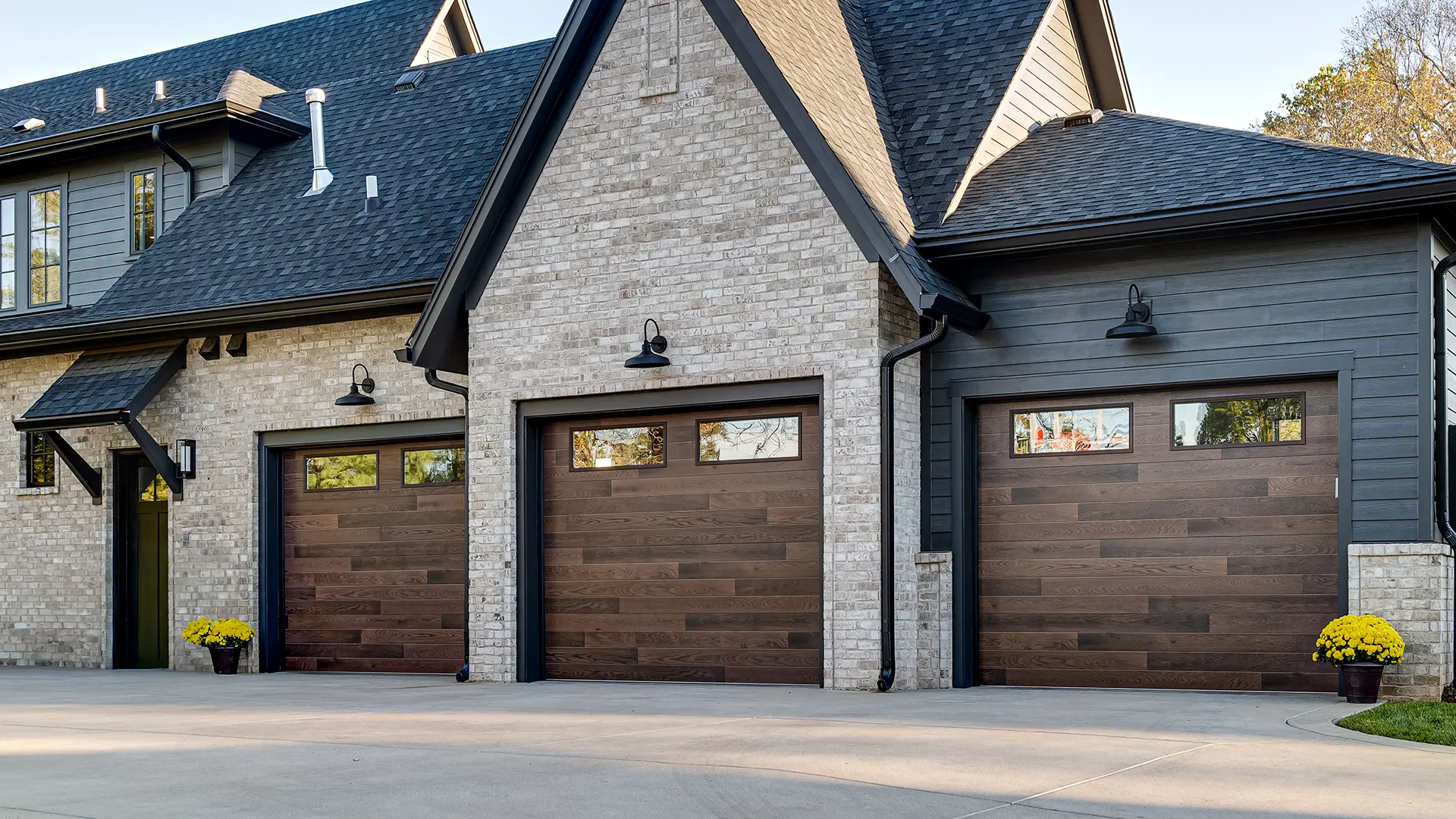
Garage doors are one of the most overlooked — yet most important — components of a Connecticut home’s exterior. In a state where winters bring freezing temperatures, snow accumulation, ice storms, and wind-driven rain, your garage door plays a critical role in energy efficiency, structural protection, and curb appeal.
If your garage feels freezing in winter, overheats in summer, or your door struggles to operate smoothly during cold snaps, it may be time to upgrade.
This guide explains how to choose the best garage door for Connecticut weather, including materials, insulation ratings, wind resistance, cost, and long-term durability — so your investment performs year-round.
Why Garage Doors Matter More in Connecticut
Connecticut’s climate creates specific challenges for garage doors:
-
Freeze-thaw cycles
-
Snow and ice buildup
-
Road salt exposure
-
High humidity in summer
-
Nor’easter wind events
-
Large seasonal temperature swings
A poorly insulated or low-quality garage door can:
-
Increase heating costs
-
Allow moisture intrusion
-
Warp or rust prematurely
-
Strain opener systems
-
Reduce overall home efficiency
Because attached garages share walls with living space, heat loss through the garage can significantly impact indoor comfort.
What Makes a Garage Door “Good” for Connecticut?
The best garage doors for Connecticut homes should offer:
-
Strong insulation (high R-value)
-
Durable, weather-resistant materials
-
Wind resistance ratings
-
Tight weather seals
-
Rust-resistant hardware
-
Reinforced panels
-
Reliable operation in cold temperatures
Choosing based on appearance alone is a mistake in New England.
Best Garage Door Materials for Connecticut Homes
Let’s compare the most common materials.
1. Insulated Steel Garage Doors (Best Overall)
Insulated steel doors are the most popular and best-performing option for Connecticut.
Why They Work Well
-
Strong against wind and snow
-
Resistant to moisture
-
Low maintenance
-
Affordable compared to wood
-
Excellent insulation options
Most insulated steel doors include polyurethane or polystyrene cores.
Cost in Connecticut
$1,500 – $4,500 installed depending on size and insulation level.
Best For
-
Attached garages
-
Energy-conscious homeowners
-
Long-term durability
2. Composite Garage Doors
Composite doors mimic the look of wood but offer better weather resistance.
Pros
-
Attractive appearance
-
Moisture resistant
-
Less maintenance than natural wood
Cons
-
Higher upfront cost
-
Quality varies by manufacturer
Cost
$3,000 – $6,000+ installed.
Best For
-
Homeowners wanting curb appeal without wood maintenance
3. Natural Wood Garage Doors
Wood doors offer classic New England charm but require significant upkeep.
Pros
-
Beautiful traditional aesthetic
-
Customizable
Cons
-
Prone to moisture damage
-
Requires regular staining/painting
-
Expensive
-
Sensitive to freeze-thaw cycles
Cost
$4,000 – $10,000+
Best For
-
Historic homes
-
Homeowners committed to maintenance
4. Aluminum & Glass Garage Doors
Modern and stylish, but less insulating.
Pros
-
Contemporary look
-
Lightweight
-
Rust-resistant
Cons
-
Lower insulation
-
Not ideal for cold winters
-
Higher heat loss
Best For
-
Detached garages
-
Modern architectural styles
Understanding Garage Door Insulation (Critical in Connecticut)
Garage door insulation is measured by R-value — the higher the number, the better the insulation.
Recommended R-Value for Connecticut
-
R-12 to R-18 minimum
-
Higher for attached garages
Insulated garage doors help:
-
Reduce heat loss
-
Prevent freezing pipes
-
Improve comfort in adjacent rooms
-
Reduce HVAC strain
If your garage is attached, insulation is not optional — it’s essential.
Wind Resistance & Structural Reinforcement
Connecticut storms can produce strong winds.
Look for doors with:
-
Reinforced steel backing
-
Wind load ratings
-
Heavy-duty track systems
-
Durable hardware
This is especially important in coastal towns.
Weather Seals & Bottom Gaskets
Cold air infiltration is common with older doors.
Upgraded garage doors include:
-
Tight perimeter weatherstripping
-
Bottom rubber seals
-
Thermal breaks
-
Insulated panel joints
Proper sealing improves energy efficiency significantly.
Signs It’s Time to Replace Your Garage Door
Watch for:
-
Warped panels
-
Rust
-
Slow or noisy operation
-
Poor insulation
-
Drafts
-
Sagging sections
-
Frequent opener repairs
If your door is 15–20+ years old, replacement is often more cost-effective than repair.
How Much Does Garage Door Replacement Cost in Connecticut?
Average pricing:
-
Single door replacement: $1,500 – $3,500
-
Double door replacement: $2,500 – $5,500
-
High-end custom doors: $6,000+
Labor and removal are typically included in full-service installation.
How Long Does Installation Take?
Most standard installations take:
-
4–8 hours
Minimal disruption makes garage door replacement one of the fastest exterior upgrades.
Energy Savings Potential
Insulated garage doors reduce:
-
Heat transfer
-
Drafts
-
HVAC load
While not as impactful as attic insulation, they contribute meaningfully to whole-home efficiency.
Garage Door Openers & Cold Weather
Cold temperatures can affect opener performance.
Upgrades to consider:
-
Belt-driven openers
-
Battery backup systems
-
Smart controls
-
Reinforced springs
Cold-rated systems improve reliability in winter.
Common Connecticut Garage Door Mistakes
-
Choosing non-insulated doors
-
Prioritizing style over performance
-
Ignoring weather seals
-
Skipping professional installation
-
Failing to match door weight with opener capacity
-
Overlooking wind ratings
ROI: Does a New Garage Door Increase Home Value?
Yes.
Garage door replacement consistently ranks among the highest ROI exterior projects nationally.
Benefits include:
-
Improved curb appeal
-
Increased resale value
-
Better energy performance
-
Strong first impression
In Connecticut’s competitive housing market, updated garage doors attract buyers.
Popular Garage Door Styles in Connecticut
Connecticut homeowners often prefer:
-
Carriage-style doors
-
Classic raised panels
-
Neutral colors (white, gray, beige)
-
Black or dark modern designs
-
Windows across the top panel
Styles often complement New England architecture.
Frequently Asked Questions
What is the best garage door for cold climates?
Insulated steel doors with high R-values perform best in Connecticut.
Are insulated garage doors worth it?
Yes. They improve comfort and reduce energy loss, especially for attached garages.
How long do garage doors last?
15–30 years depending on material and maintenance.
How much does garage door replacement cost in Connecticut?
Typically $1,500–$5,500 depending on size and features.
Do garage doors affect home value?
Yes. They provide strong curb appeal and high ROI.
Final Thoughts: Choosing a Garage Door Built for Connecticut
A garage door isn’t just a design element — it’s a critical protective barrier against Connecticut’s challenging climate.
When properly selected and installed, the right garage door will:
-
Improve energy efficiency
-
Withstand snow and wind
-
Enhance curb appeal
-
Increase resale value
-
Provide reliable operation year-round
Choosing insulation, durability, and weather resistance over aesthetics alone ensures long-term performance.
Get a Free Estimate for Your Project
Contact us for a FREE estimate for your home improvement project. Call us or fill out the contact form on this page. We will get back to you shortly.
- Call us: 888-330-8148
- Visit Our Showroom: 3 Simm Lane Suite 3N Newtown, CT 06470